What Is Included in a Professional Brush Removal Service?
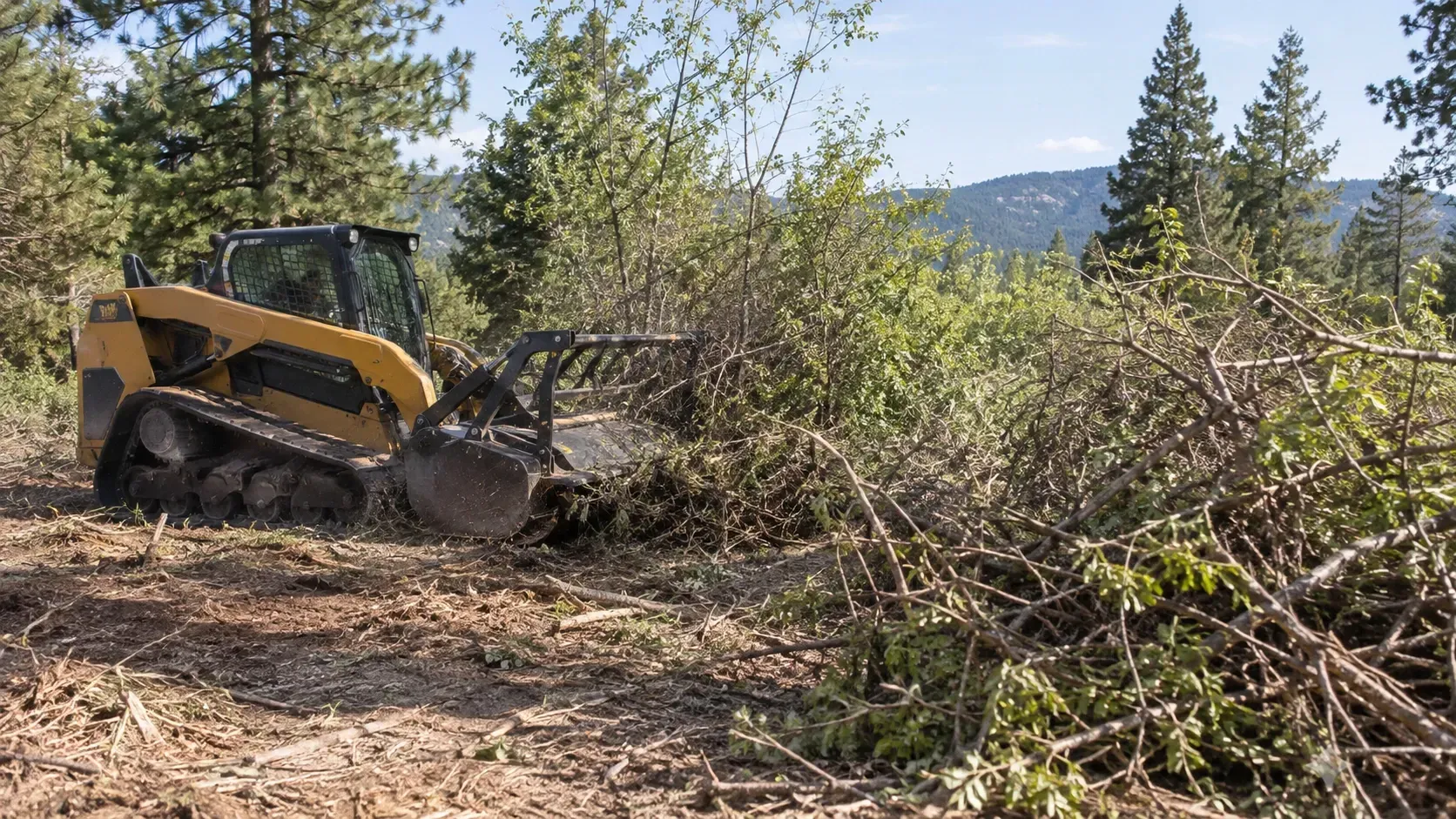
Table of Contents
- Introduction
- What Does a Professional Brush Removal Service Typically Include?
- What Happens During Professional Brush Clearing
- Equipment and Methods Used in Brush Clearing Services
- Overgrown Vegetation Removal: What Counts as Brush?
- Why Brush Removal Matters on Hamilton-Area Properties
- A Practical Framework for Evaluating a Service
- Conclusion
- Thinking About Brush Removal? Let's Talk It Through
- Frequently Asked Questions
Key Takeaways
- A professional brush removal service typically includes a site review, cutting and clearing of vegetation, debris handling, and a final cleanup, though the exact scope varies by company
- Debris handling is the part most often left unclear, so confirm whether brush will be hauled, chipped, or left in piles before work starts
- Brush clearing is not the same as tree removal, but many jobs include small trees, overhanging limbs, or stumps that need separate planning
- In the Hamilton area, wildfire season, steep or uneven ground, and seasonal conditions can affect how and when brush work is done
- A written scope that lists what is included, what is excluded, and how debris is handled helps prevent misunderstandings
Introduction
A professional brush removal service typically includes a site walkthrough, cutting and clearing of overgrown brush and small woody growth, handling of the debris, and a final cleanup so the area is usable again. The details differ from one company to the next, which is why it helps to know what a complete service looks like before you ask for quotes.
For homeowners and business owners in Hamilton, overgrown vegetation is rarely just a cosmetic issue. Dense brush can hide hazards, crowd out access to fences and outbuildings, shelter pests, and add fuel near structures during dry months. Clearing it properly takes planning, the right equipment, and a clear plan for what happens to everything that gets cut.
This guide explains what each stage of professional brush clearing involves, what equipment and methods are common, what counts as overgrown vegetation, and what to confirm before you hire anyone. It is meant to help you compare services on equal terms and avoid surprises.
What Does a Professional Brush Removal Service Typically Include?
Direct Answer:
A professional brush removal service typically includes assessing the property, marking hazards and boundaries, cutting and clearing the vegetation, removing or processing the debris, and tidying the site afterward. Some services also deal with small trees, overhanging limbs, or stumps, but these are often scoped separately.
Why This Matters:
The phrase "brush removal" can mean very different things. One company may cut brush and leave it in piles. Another may cut, chip, and haul everything away. Without a clear scope, two quotes for the same property can look similar while covering very different amounts of work.
The Practical Reality:
Brush clearing is part cutting and part logistics. The cutting often goes faster than people expect. The slower, more variable part is moving, chipping, or hauling the material, especially on large or hard-to-reach parcels. When you compare services, the debris plan is usually where the biggest differences show up.
What Happens During Professional Brush Clearing
A typical job follows a sequence. The names may vary, but the stages are similar.
Site Walkthrough and Assessment
The process usually starts with a look at the property. The crew or estimator checks the size of the area, the density and type of growth, the terrain, and how equipment can get in. They also note what needs to be kept, such as mature trees, desirable shrubs, or native plants you want to preserve. This visit is the best time to ask what is included and what is not.
Marking Boundaries and Hazards
Before cutting begins, the work area is defined. Property lines, fences, septic components, wells, irrigation lines, and buried utilities all matter. Calling 811 before any digging or ground-disturbing work is standard practice, and private lines such as irrigation are often not marked, so point them out. Hidden obstacles like old wire, rocks, or debris buried in brush are also common on rural lots.
Cutting and Clearing the Vegetation
Crews then cut the brush, undergrowth, and small woody stems down to the agreed height. Depending on the site, that may mean cutting at ground level or leaving short stumps that can be ground or treated later. Some vegetation resprouts from the roots, so clearing does not always mean it will stay gone, and follow-up work may be part of the plan.
Handling Small Trees and Overhanging Limbs
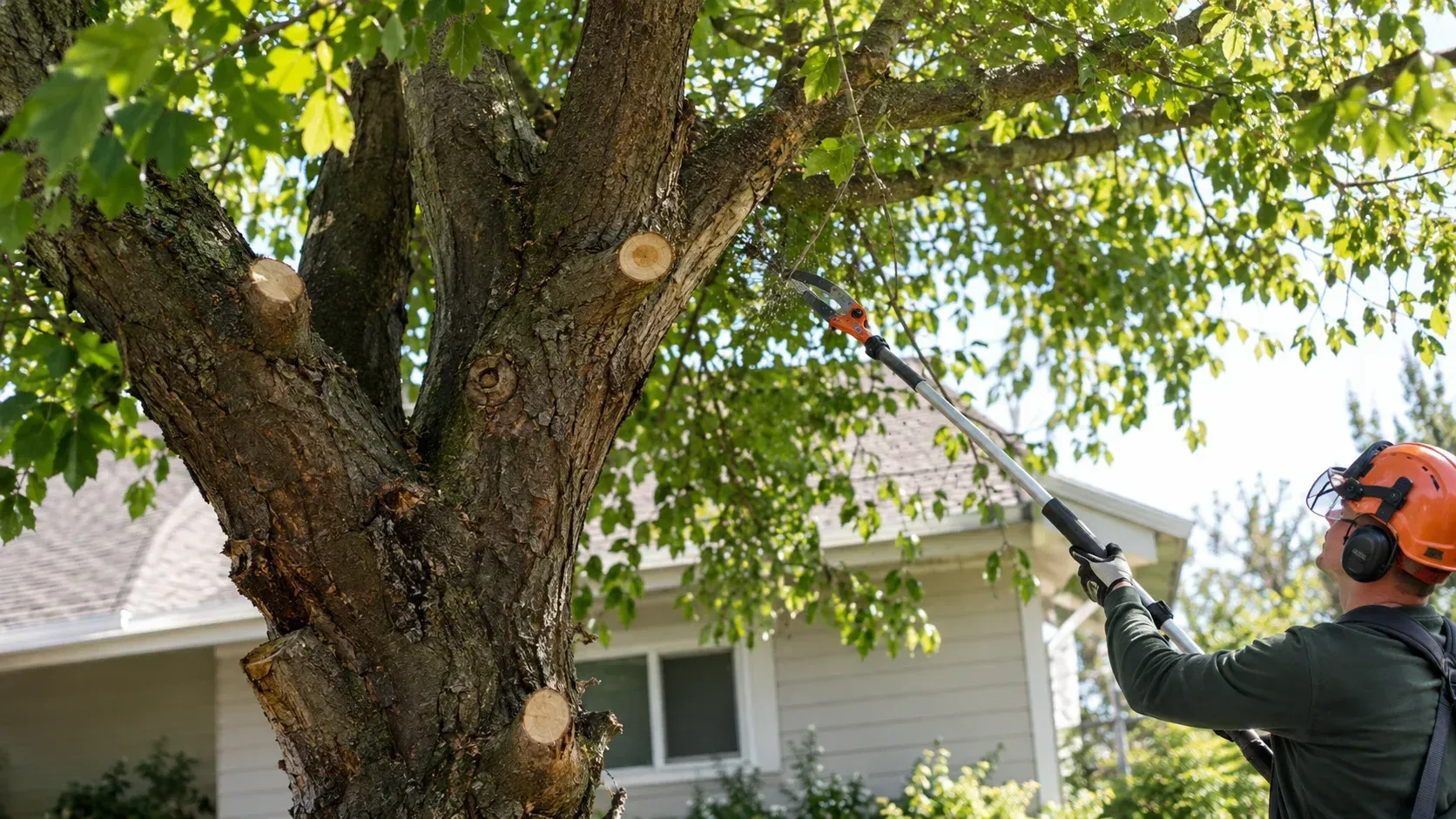
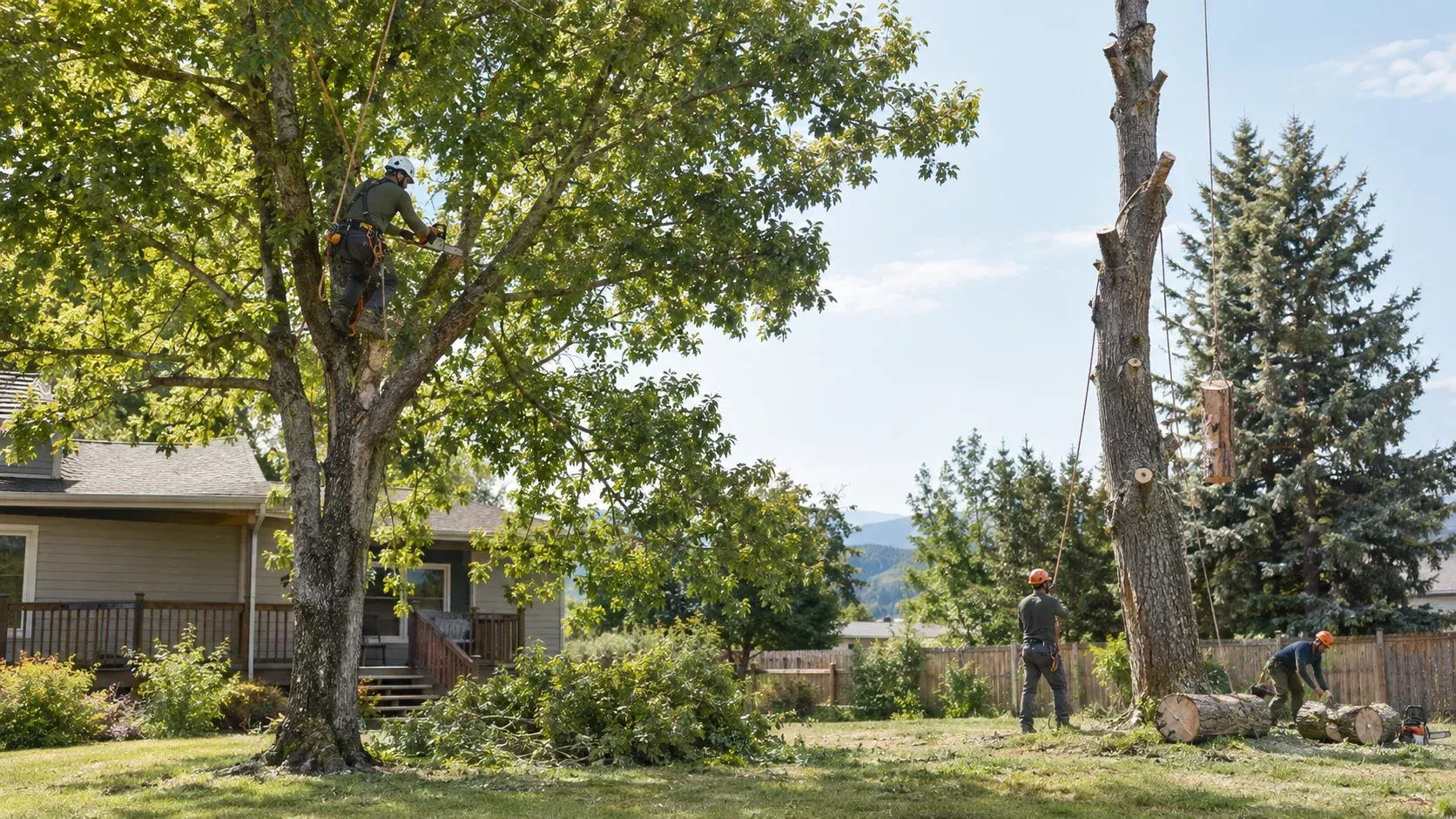
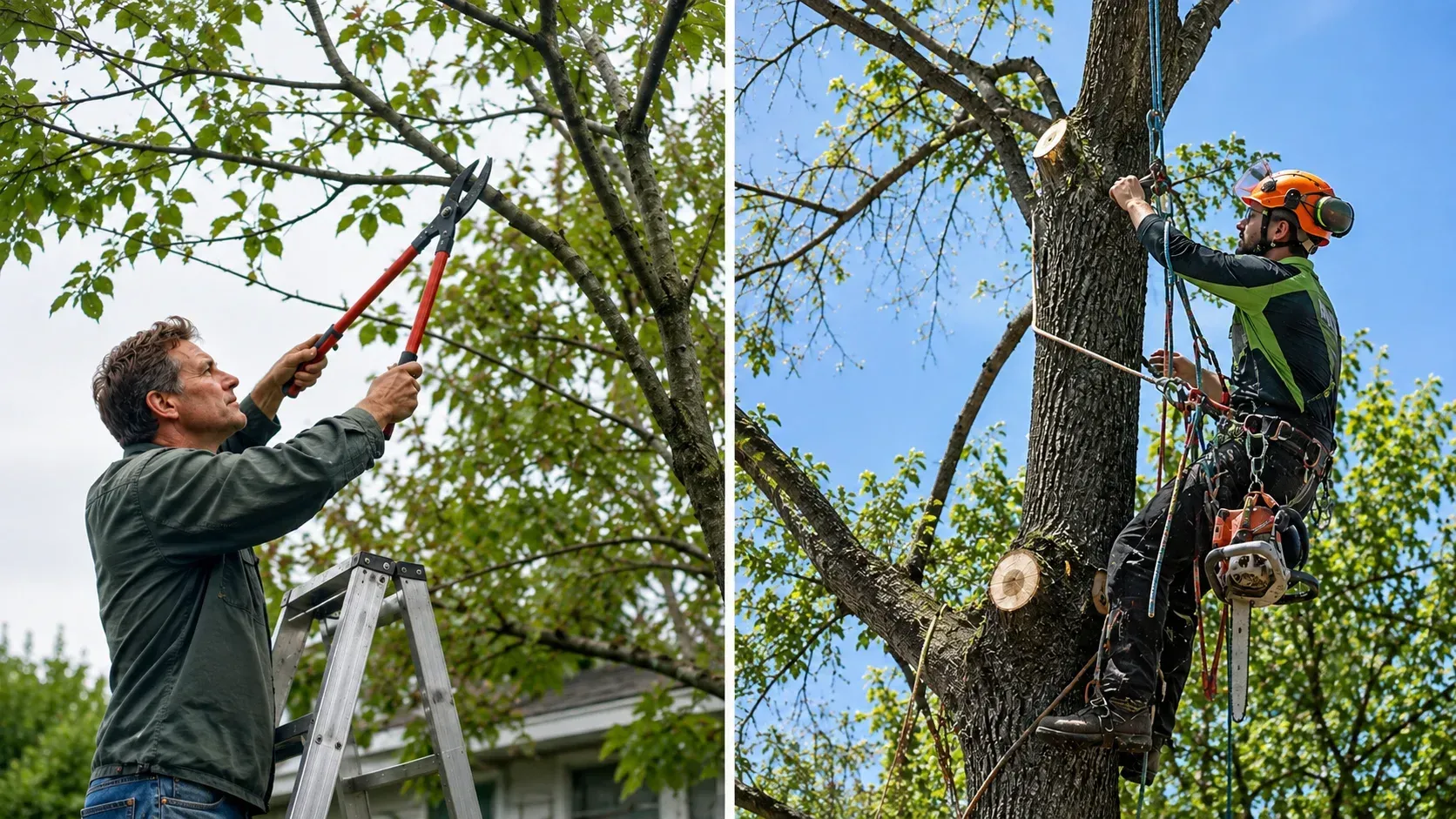
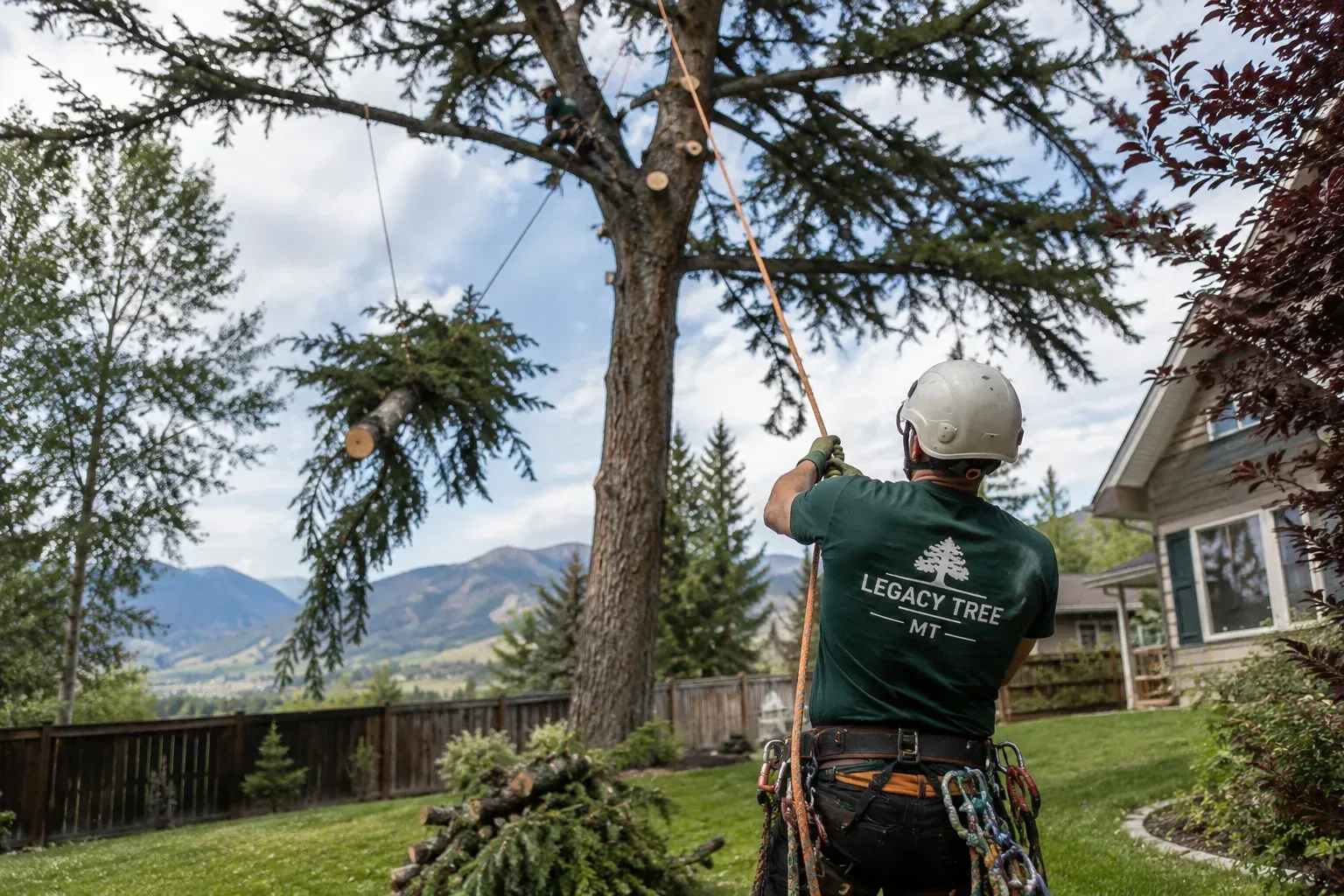
Brush areas often include saplings, leaning trees, or limbs hanging over fences and structures. These sometimes fall under separate tree trimming work because they need different techniques and safety planning than shrubs and undergrowth. If your property has both, ask whether they are included together or priced separately.
Debris Removal, Chipping, or Hauling
Once the brush is cut, it has to go somewhere. Common options include chipping it on site, hauling it away, piling it for later disposal, or in some cases spreading chips as mulch. Burning is restricted in many areas and Montana's dry seasons often bring fire restrictions, so check with local fire authorities before assuming it is an option.
Final Cleanup and Walk-Through
A complete job ends with tidying the area, raking or clearing leftover material, and walking the property with you to confirm the work matches the agreement. This is a good moment to point out anything that looks missed while the crew is still on site.
Equipment and Methods Used in Brush Clearing Services
The tools depend on the size of the job and the terrain.
Hand Tools and Chainsaws
For small areas, tight spaces, and steep spots, crews often rely on chainsaws, brush cutters, loppers, and hand tools. This is slower but allows precise cutting around fences, buildings, and plants you want to keep.
Tractors and Larger Equipment
On larger parcels or dense growth, tractors or similar equipment can move material and clear ground faster. These machines need adequate access and reasonably stable ground, and they can leave marks on soft or wet soil, so timing and ground conditions matter.
Chippers and Mulching Attachments
Chippers and mulching attachments reduce brush to wood chips on site, which can cut down on hauling. The chips can be spread, piled, or removed. Keep in mind that a thick layer of chips left in one place can smother grass or take time to break down, so ask how they will be handled.
Overgrown Vegetation Removal: What Counts as Brush?
Not every job involves the same kind of growth, and the type of vegetation affects the plan.
Brush and Undergrowth
This includes shrubs, thickets, and woody stems that have grown unchecked. It is the most common target of brush clearing services, and it often grows back if the roots are left in place.
Weeds and Invasive Plants
Some overgrown areas include weeds that need specific handling. Montana maintains a noxious weed list, and counties run weed programs, so spreading seeds or plant material during clearing can make a problem worse. If you suspect noxious weeds, contact your county weed district for guidance before work begins.
Stumps and Roots
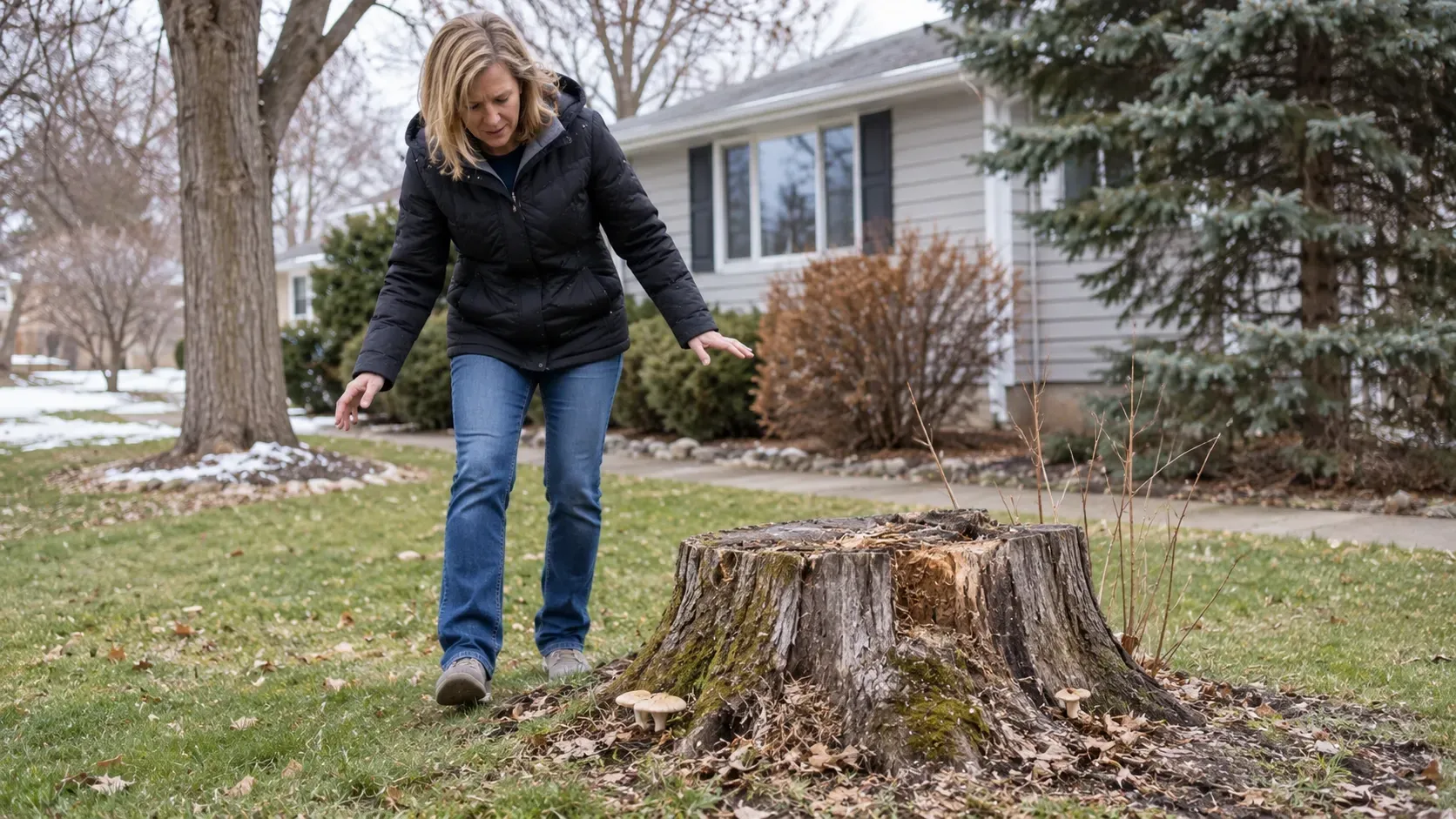
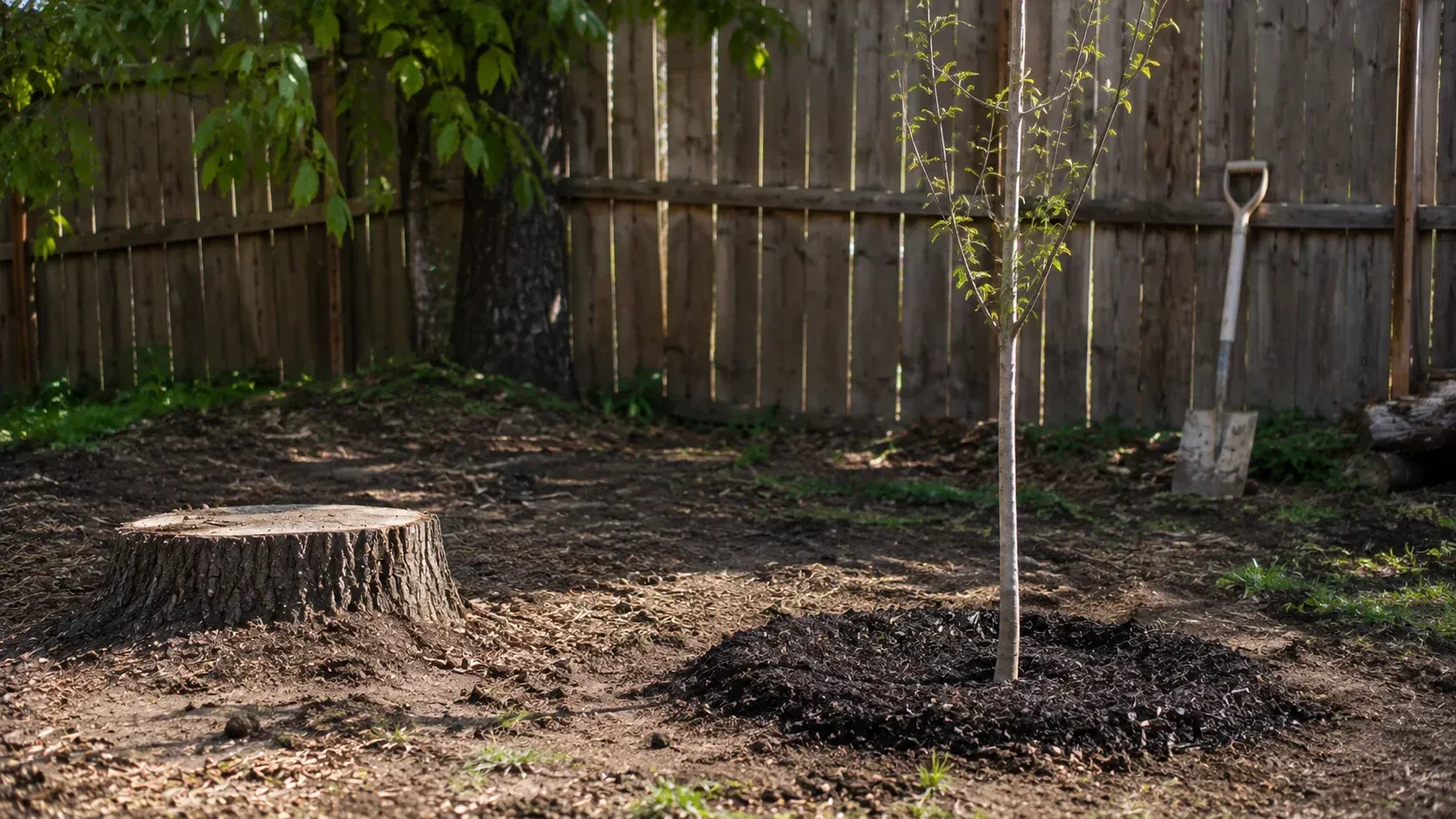
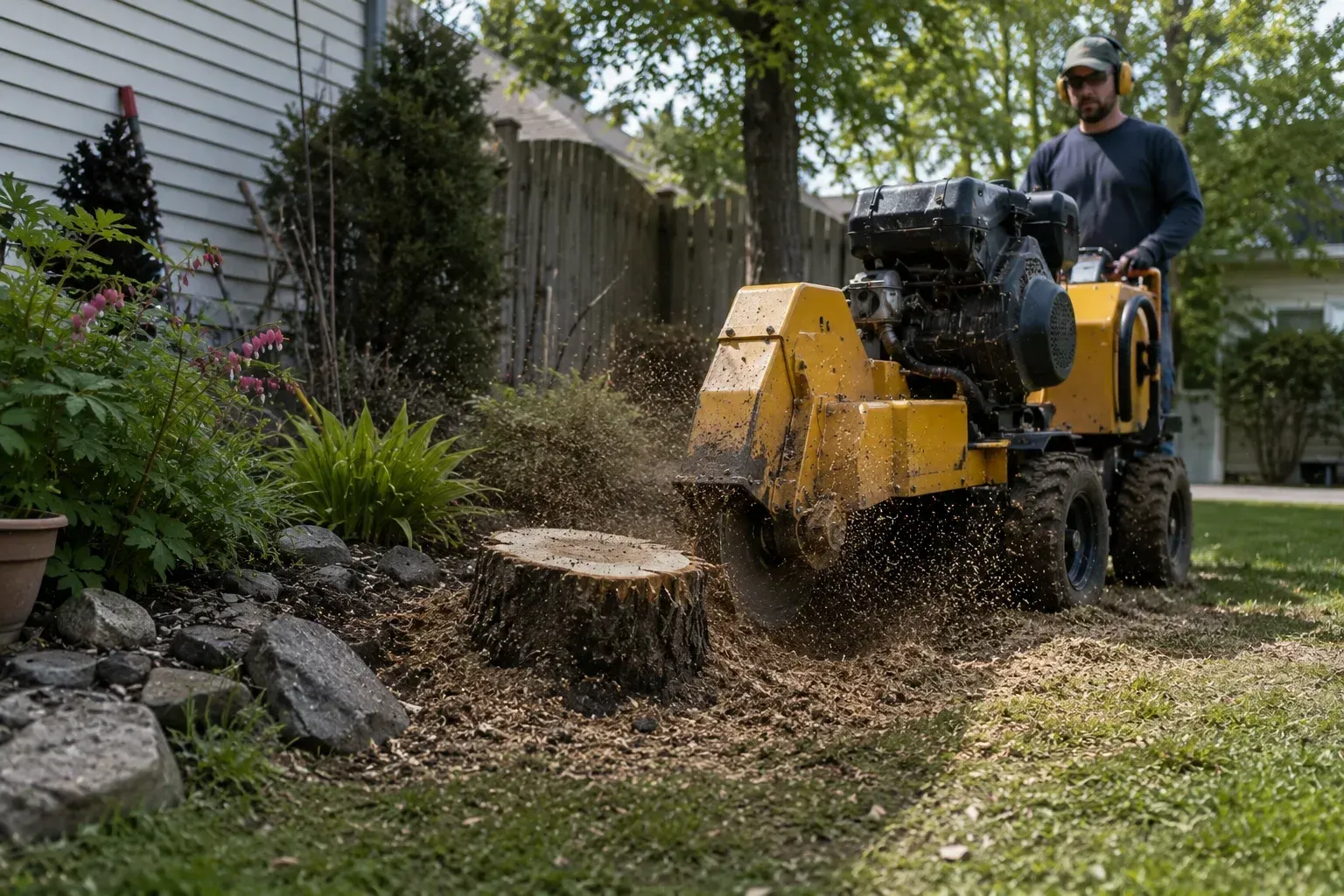
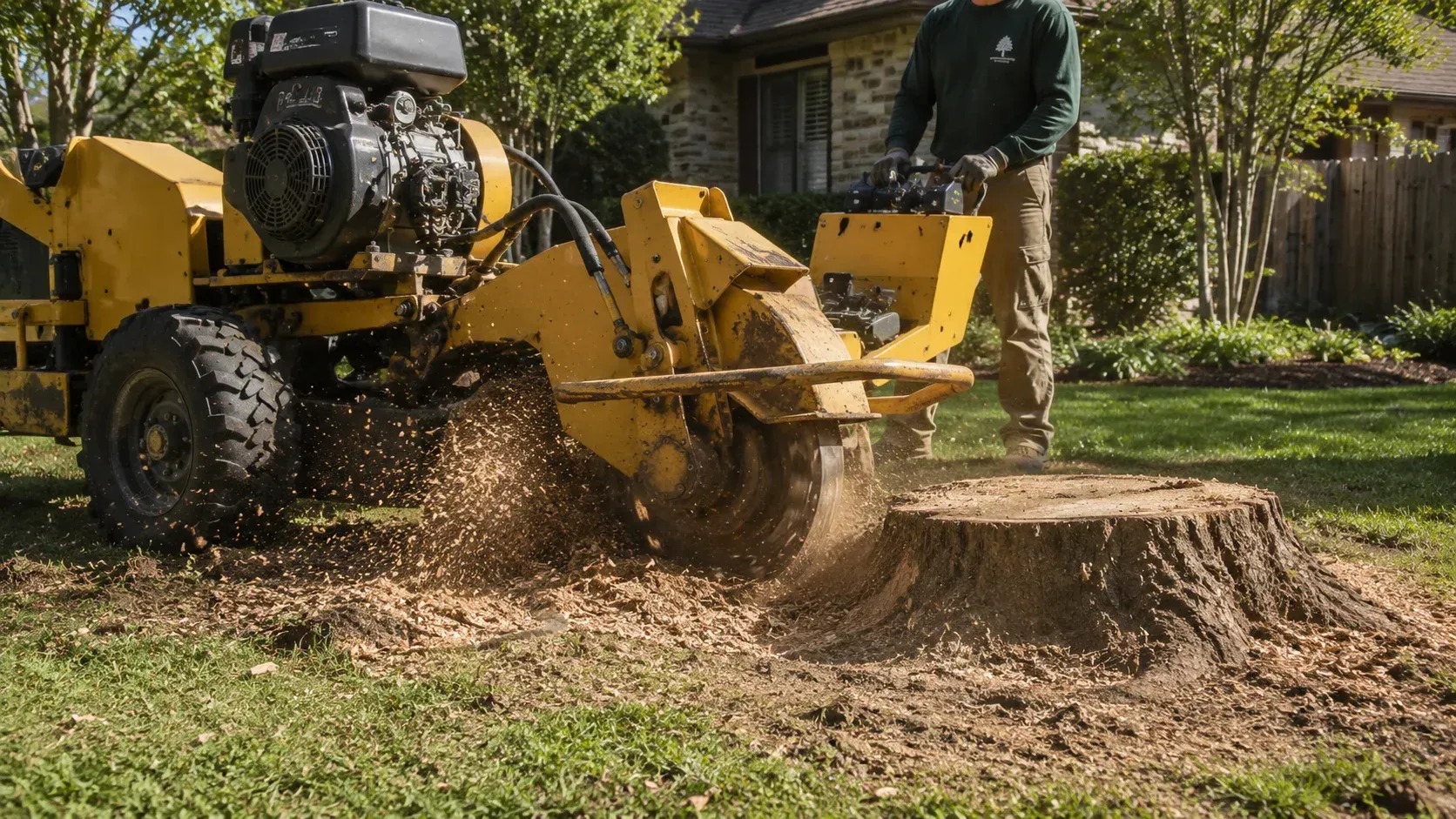
When brush includes larger woody growth, stumps and roots may remain after cutting. Many owners handle these with stump grinding either during or after clearing, which helps with regrowth and creates a smoother surface for mowing or building.
Why Brush Removal Matters on Hamilton-Area Properties
Local conditions explain why many property owners schedule clearing.
Wildfire Fuel and Defensible Space
Dense brush and dead material near buildings can add fuel during dry summers. Clearing is one part of reducing that risk, but it is not the whole picture. Spacing, tree limbing, and what sits next to structures also matter, and local fire agencies can offer guidance specific to your property.
Pests and Wildlife Cover
Thick undergrowth can shelter rodents, ticks, and other pests close to homes, outbuildings, and walkways. Opening up the area can make it less inviting, though it will not eliminate pests entirely.
Access and Usable Space
Overgrowth can block access to fences, wells, drainage, trails, and building sites. Clearing restores room to work, mow, build, or simply walk the property safely.
A Practical Framework for Evaluating a Service
Use these steps to compare providers fairly.
- Define your goal. Are you clearing for fire safety, access, construction, or appearance? The goal affects how thorough the clearing should be.
- Walk the property first. Note fences, utilities, irrigation, plants you want to keep, and areas that are steep or hard to reach.
- Ask what is included. Request that the quote list cutting, debris handling, stump treatment, and cleanup separately.
- Confirm debris handling. Ask whether brush will be chipped, hauled, piled, or left, and whether there is an extra charge.
- Ask about timing. Fire restrictions, ground conditions, and nesting season can affect when work is practical.
- Get the scope in writing. A written scope makes it easier to confirm that the finished work matches what was agreed.
Thinking About Brush Removal? Let's Talk It Through
Every property is a little different, and the right approach depends on the type of vegetation, the terrain, and what you plan to do with the space afterward. If you want to talk through what brush clearing might involve for your situation in Hamilton, you can
contact us with questions about scope, debris handling, or timing. There is no pressure, and the goal is to help you understand your options before you decide.
Frequently Asked Questions
1. What is the difference between brush removal and tree removal?
Brush removal clears undergrowth, shrubs, and small woody plants. Tree removal takes down larger trees, often with rigging. Some jobs involve both, and a site review can clarify which applies.
2. Does brush removal include hauling away the debris?
It depends on the company and the agreement. Some haul debris, some chip it on site, and some leave it piled. Confirm the debris plan and any extra cost before work starts.
3. How long does brush removal take?
Time depends on acreage, density, terrain, and debris handling. A small overgrown corner may take part of a day, while larger or steep parcels can take longer. A site visit gives a more realistic estimate.
4. Is brush removal the same as defensible space work?
They overlap but are not identical. Brush removal clears vegetation, while defensible space planning also considers spacing, tree limbing, and what sits near structures. Local fire agencies can offer guidance.
5. When is the best time to brush?
Many owners clear in spring or fall, but timing depends on fire restrictions, ground conditions, and nesting season. Discuss timing during the site review so the work fits your property.