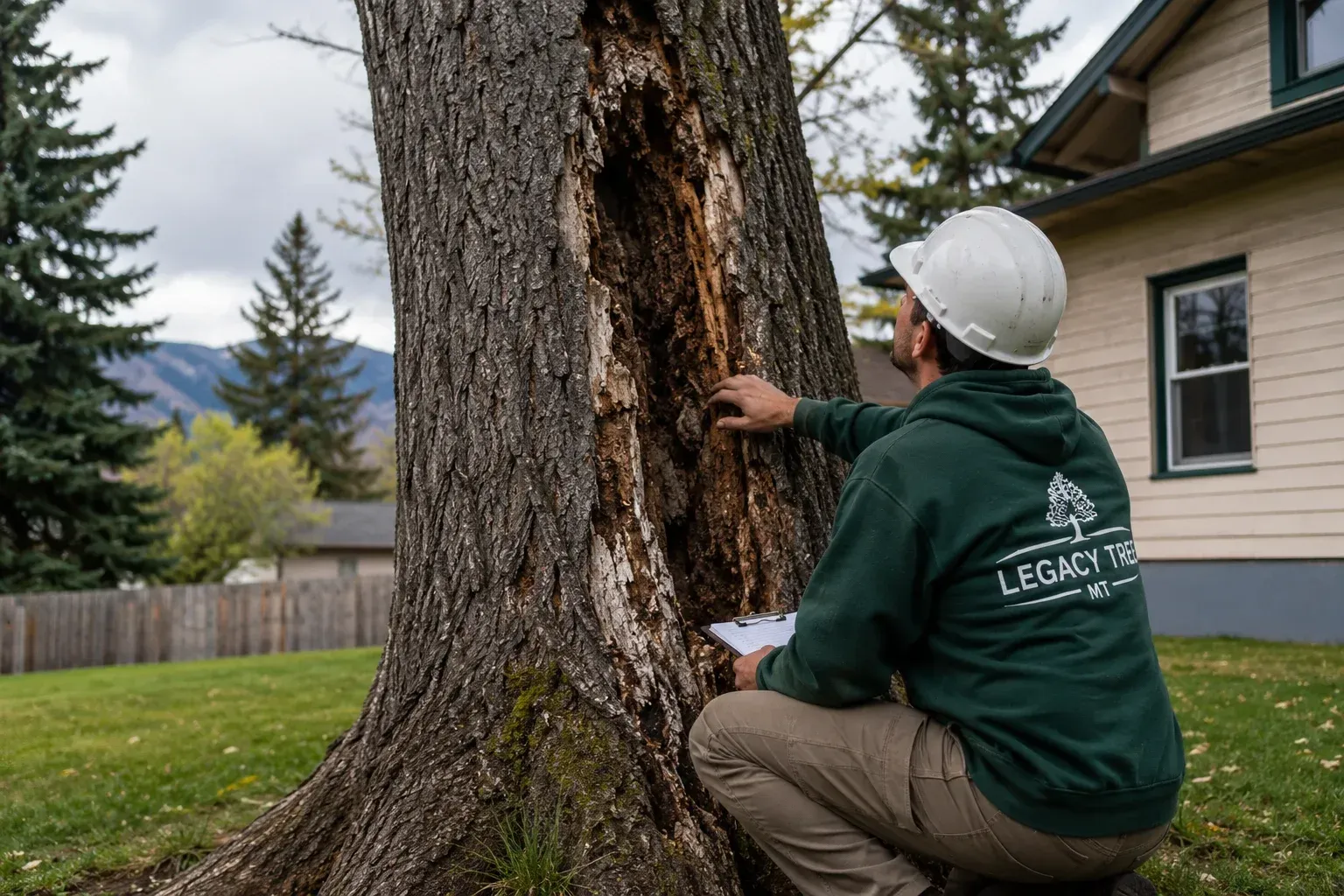
Can You Plant a New Tree After Stump Grinding?
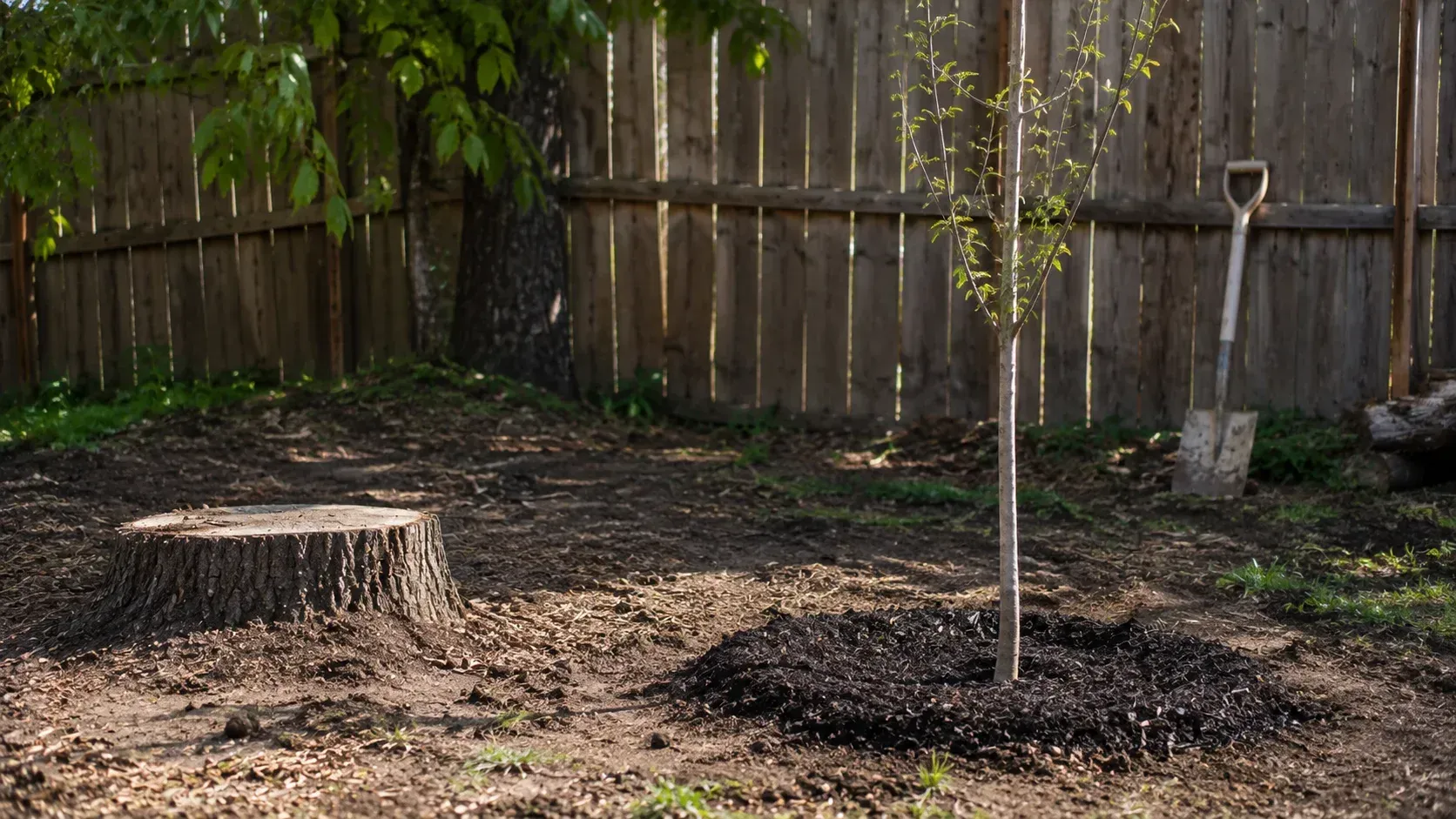
Table of Contents
- Introduction
- Can You Plant Immediately After Stump Grinding?
- Understanding Soil Conditions After Grinding
- How Long Should You Wait Before Planting?
- Preparing the Site for New Trees
- Selecting the Right Tree for Your Location
- Managing Remaining Root Systems
- Conclusion
- Planning Your Replanting - Let's Discuss It
- Frequently Asked Questions
Key Takeaways
- Yes, you can plant a new tree after stump grinding, but waiting 2-4 weeks allows soil to settle and residual wood to break down, improving success rates
- The grinding process leaves loosened soil that needs time to settle and stabilize before you plant, or the new tree may sink unevenly as soil compacts
- Proper site preparation is more important than rushing to plant - clearing remaining debris, amending soil if needed, and selecting an appropriate species matters more than timing
- The original tree's root system may still have living portions underground; understanding what remains helps you avoid replanting in the same spot if root disease was the original problem
- The first year after replanting requires regular watering and monitoring because the area experiences different drainage and settling patterns than established landscape soil
Introduction
Yes, you can plant a new tree after stump grinding, but the success of your new planting depends more on soil preparation and species selection than on rushing to replant quickly. The grinding process removes the stump but leaves loosened soil, residual wood chips, and changed soil conditions that affect whether a new tree thrives or struggles.
For Hamilton homeowners considering replanting after tree removal, understanding what happens to the soil during grinding and how to properly prepare the site sets up your new tree for success. Simply digging a hole in the disturbed ground and planting leads to problems - poor drainage, uneven settling, and trees that never fully establish.
When done properly, replanting after stump removal gives you an opportunity to choose a better-suited tree for the location, avoid previous disease or pest issues, and create a stronger landscape. The key is understanding the conditions you're working with and taking time to prepare the site correctly.
Can You Plant Immediately After Stump Grinding?
Direct Answer:
Technically, yes - you can dig a hole and plant immediately after stump grinding. However, your success rate is much higher if you wait 2-4 weeks to allow the disturbed soil to settle and compact naturally before planting.
Why This Matters:
Stump grinding creates loosened, disturbed soil where the stump was ground. This soil is less dense and compacted than established landscape soil. If you plant immediately into this loose soil, the tree roots sit in material that will continue settling and compacting over weeks and months. As the soil settles, the planting hole sinks, pulling the tree down with it. This uneven settling creates stress on the new tree and poor drainage conditions around the roots.
The Practical Reality:
Waiting a few weeks isn't waiting until next spring or delaying indefinitely. A 2-4 week pause allows natural settling and weathering. Spring rain and temperature fluctuation help the soil stabilize. Once settled, you plant into stable ground that won't dramatically shift under your new tree. This simple patience significantly improves establishment rates.
Understanding Soil Conditions After Grinding
The stump grinding process affects soil conditions in ways that matter for replanting success.
What Grinding Does to Soil
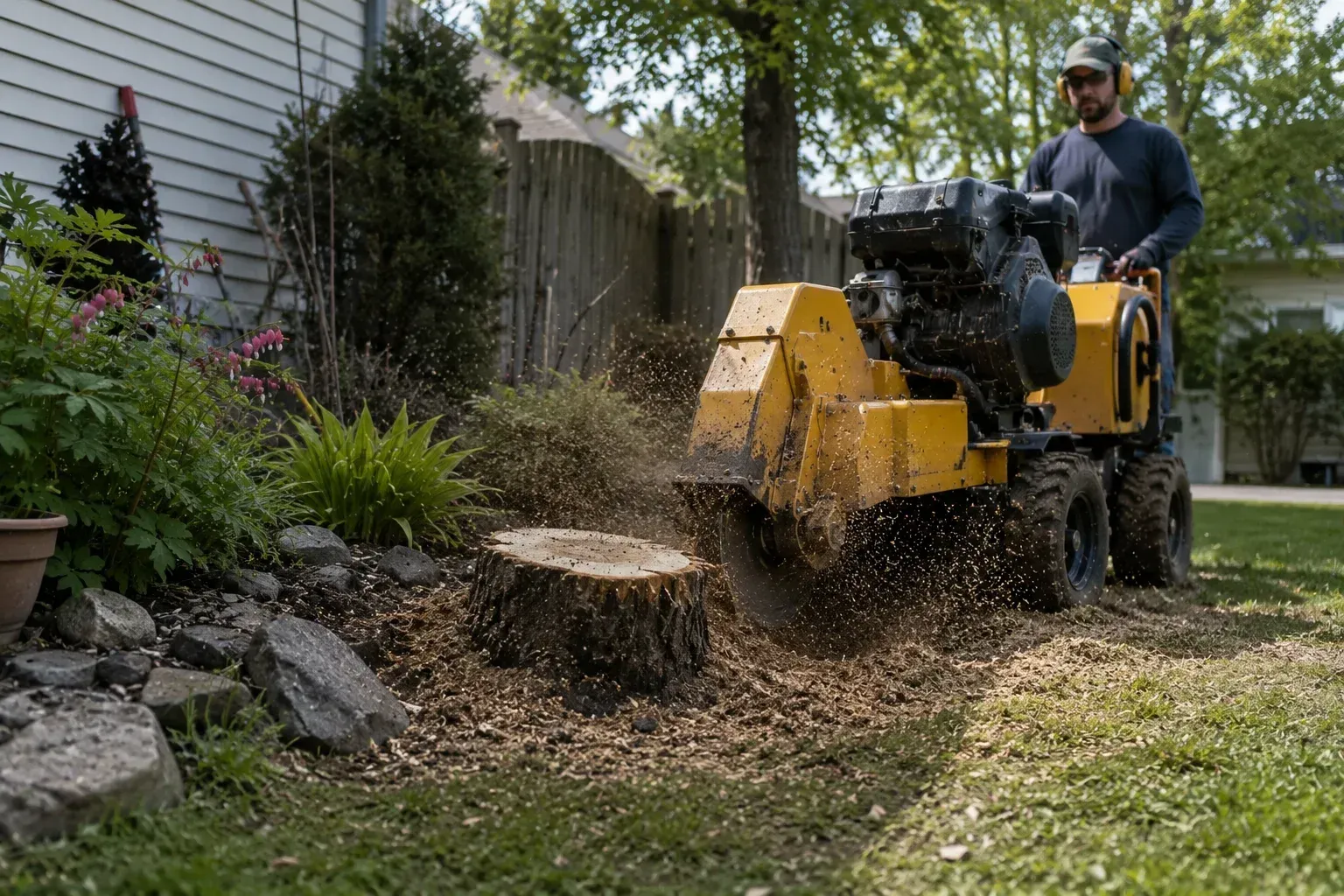
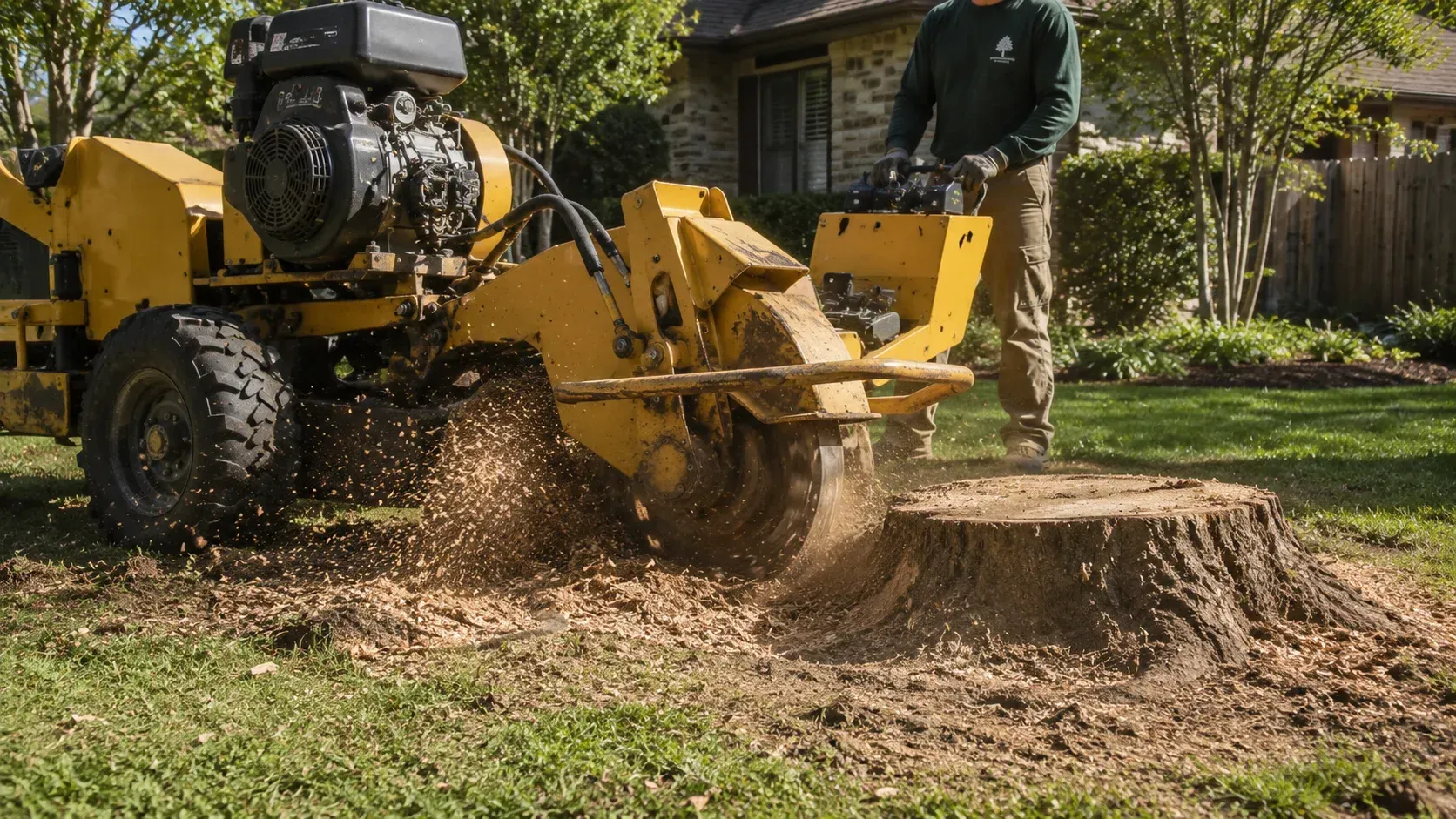
The grinding wheel removes wood down 8-12 inches below the surface. This creates a cavity filled with loosened, disturbed soil and often fine wood chips. The grinding process aerates the soil - breaking up compaction and mixing in chips - which sounds beneficial but creates challenges for immediate replanting. The soil is too loose and will settle dramatically.
Drainage Changes
The disturbed area may drain differently than surrounding soil. If the original area had compacted clay, grinding might improve drainage long-term. If the original area had good structure, grinding might create poor drainage by adding loose chips and creating an inconsistent layer. Newly disturbed soil channels water differently than settled soil. Trees planted immediately encounter unexpected water behavior.
Residual Wood and Decomposition
Stump grinding leaves fine wood chips mixed through the soil. These chips initially absorb water and nutrients as they decompose. Over weeks, they break down and release those resources. A tree planted immediately competes with decomposing chips for water and nutrients. A tree planted after settling benefits from partially decomposed material that improves the soil.
Soil Compaction Patterns
Natural rainfall, foot traffic, and weathering help the disturbed soil settle into stable ground. This process takes a few weeks but dramatically changes soil density and stability. The settled soil provides better support for new tree roots and more predictable drainage.
How Long Should You Wait Before Planting?
Ideal Waiting Period: 2-4 Weeks
This timeframe allows the soil to settle naturally while remaining workable. You're not waiting months or seasons - just long enough for the soil to stabilize and initial decomposition to begin. Most spring or summer projects can accommodate this short delay.
Factors That Affect Timing
Rainfall during the waiting period accelerates settling. If rain is forecasted, settling happens faster. Dry conditions slow the process. Hot weather speeds decomposition. Cool weather slows it. You don't need to wait precisely 28 days - use these factors as indicators. When you press down on the soil and it feels stable and firm rather than spongy, waiting is complete.
Seasonal Considerations
Spring and early summer replanting gives new trees the full growing season to establish. Fall replanting requires sufficient time before winter for root establishment - planting too late means the tree heads into dormancy before establishing. Winter planting in Montana is generally not ideal for new trees. Early spring is the best window for replanting after fall or winter stump removal.
Fast-Track Scenarios
If you absolutely must plant quickly, amend the soil heavily with compost and fill to account for settling. This is riskier but workable for experienced gardeners. Most homeowners benefit from waiting even a few weeks.
Preparing the Site for New Trees
Proper site preparation matters far more than the exact timing of planting. After stump grinding, the area requires specific preparation steps to ensure your new tree has the best chance of success.
Clearing Remaining Debris
Walk the area and remove any visible wood chunks, bark pieces, or debris left from grinding. The grinder removes the stump, but chunks often remain. These interfere with root establishment and water movement. Clear the area thoroughly before preparing planting spots.
Amending Disturbed Soil
The loosened soil benefits from amendment. Mix 25-30% compost or quality soil amendment into the top 12-18 inches of the area where you'll plant. This improves the transition between disturbed soil and surrounding landscape soil. It improves drainage and nutrient content. The new tree establishes better in improved soil. Our professional tree services can help assess whether your specific site needs particular amendments based on local soil conditions.
Addressing Drainage Issues
If the original area had poor drainage, grinding doesn't fix it. In fact, disturbed soil sometimes drains worse initially. If drainage is a concern, consider whether the location is truly suitable for a tree, or whether drainage work needs to happen before planting. A tree planted in a perpetually wet spot fails regardless of preparation.
Leveling and Contouring
The grinding process often leaves the area slightly lower where the stump was. Using the removed soil and compost, bring the area level with surrounding landscape. This prevents water from pooling in the grinding hole and ensures even settling.
Establishing Grade
The final grade should be level with the surrounding landscape, not sloped toward the planting area. Water should drain away from the tree, not accumulate around it. This is especially important in Montana where spring snowmelt can be significant.
Selecting the Right Tree for Your Location
Replanting gives you an opportunity to choose better than the original tree might have been.
Understanding the Original Problem
If the original tree had disease or pest issues, selecting a different species that resists those problems prevents history from repeating. Ask yourself why the original tree failed or was removed. If it was disease, replant with a disease-resistant species. If it was storm damage or weak structure, select a stronger-branching species.
Choosing Species for Site Conditions
Now that you know the site well, select a species that genuinely fits the conditions. If the area is shady, pick a shade-tolerant tree. If it's open and sunny with poor soil, choose a hardy species. If it's close to the house, select a tree with a size and branch structure that works with the structure.
Size Considerations
Larger caliper trees (thicker trunks) cost more but establish faster. Smaller trees cost less and adjust more easily to transplant stress. For a first replanting, consider a medium-size tree (1.5-2 inch caliper) as a balance between cost and establishment speed.
Native Versus Ornamental
Native trees often establish better in local conditions and support local wildlife. Non-native ornamentals may have specific requirements. For Hamilton, native cottonwoods, maples, and aspen establish well. Many ornamental selections work but require more care. Consulting with a local arborist helps ensure your species selection truly matches the Bitterroot Valley climate and your specific site conditions.
Managing Remaining Root Systems
Understanding what remains underground helps you plan replanting.
Root Depth After Grinding
Stump grinding typically removes the stump down 8-12 inches. Tree roots often extend deeper. Larger roots spreading from the base might extend to 3-4 feet away and down 2-3 feet. Grinding the visible stump doesn't address these deeper roots.
What Remains Is Usually Beneficial
For most trees, the remaining root system simply decays underground. As it does, it opens up soil structure and improves drainage. The new tree can establish fine among decomposing roots. They're not competing - they're improving soil over time.
Disease Situations - Exception
If the original tree had root disease - like root rot or certain fungal diseases - residual roots might harbor the disease pathogen. In these situations, replanting the same species in the same spot risks disease transmission. Replanting a disease-resistant species is safer, or waiting a full year for root decomposition provides additional safety.
Pulling Versus Grinding
If you pull stumps entirely (removing roots), you remove more biological material and the holes left behind are larger. Grinding is less disruptive to the surrounding soil structure and leaves beneficial decomposing material. Most modern stump removal uses grinding for this reason.
Conclusion
Yes, you can plant a new tree after stump grinding, and with proper preparation, the replanting spot often performs better than expected. Waiting 2-4 weeks for soil settling, amending the disturbed soil, addressing drainage, and selecting an appropriate species sets up your new tree for success.
The grinding process itself doesn't prevent replanting. It just requires understanding the changed conditions and taking time to prepare properly. A new tree planted in haste into unsettled soil struggles. A new tree planted thoughtfully in prepared soil establishes strongly and can outperform the original tree.
The real benefit of replanting after tree removal is the opportunity to choose better. You now know the site conditions, the original tree's failings, and what might work better. Use that knowledge to select a tree truly suited to your location and needs.
Planning Your Replanting - Let's Discuss It
The best time to think about replanting is during the stump grinding process, not after. Understanding the site conditions while grinding is happening helps you plan what comes next. Discussing your replanting goals with professionals ensures you set up the new tree for success.
If you're planning to replant after stump grinding in Hamilton or the surrounding area, thinking through site conditions, soil preparation, species selection, and timing matters more than rushing to plant quickly. You can contact us today to discuss your replanting situation - what came out, what the site is like, what you're hoping to plant - and get recommendations tailored to your location.
For more detailed information about stump grinding and soil preparation, we can help ensure your replanting project sets up the new tree for long-term success. You can alsoreach out anytime if you'd like to discuss your specific replanting situation with our team.
Frequently Asked Questions
How long does it take for the soil to truly settle and be ready for planting?
Most settling happens within 2-4 weeks with normal rainfall and weather. By 6 weeks, soil is solidly settled. If you want to wait longer, that's fine - soil doesn't get "too settled." If you must plant sooner, amend heavily with compost and account for settling by planting slightly higher. The longer you wait, the more confident you can be about stability.
Can I plant in the exact same location, or should I offset the new tree?
You can plant in the same location if conditions were good and the tree's failure wasn't site-related. If the tree failed due to drainage, disease, or poor conditions, either fix those conditions first or plant offset slightly. Offsetting by a few feet is a reasonable insurance approach if you're uncertain about the original failure cause.
What if I don't want to wait weeks - what's the risk of planting immediately?
The main risk is that uneven settling creates stress on the new tree and poor drainage around its roots. Some trees establish fine despite immediate planting. Others struggle and never fully thrive. It's more risky than waiting, but not impossible. Minimize risk by amending soil heavily and monitoring water carefully if you plant immediately.
Should I remove the wood chips left from grinding, or can I leave them?
Small chips can stay - they're essentially mulch and will decompose beneficially. Large chunks should be removed. A light layer of chips (1-2 inches) actually helps the new tree by improving water retention and temperature stability. More than that becomes problematic.
If the original tree had disease, should I plant a completely different species, or can I replant the same type?
That depends on the disease. If it was a species-specific disease, replant a different species. If it was a site-specific problem like poor drainage, replanting the same species after fixing drainage is fine. Understanding the original tree's failure helps determine your best replanting choice.