How Do You Know If a Tree Needs to Come Down in Hamilton, Montana?
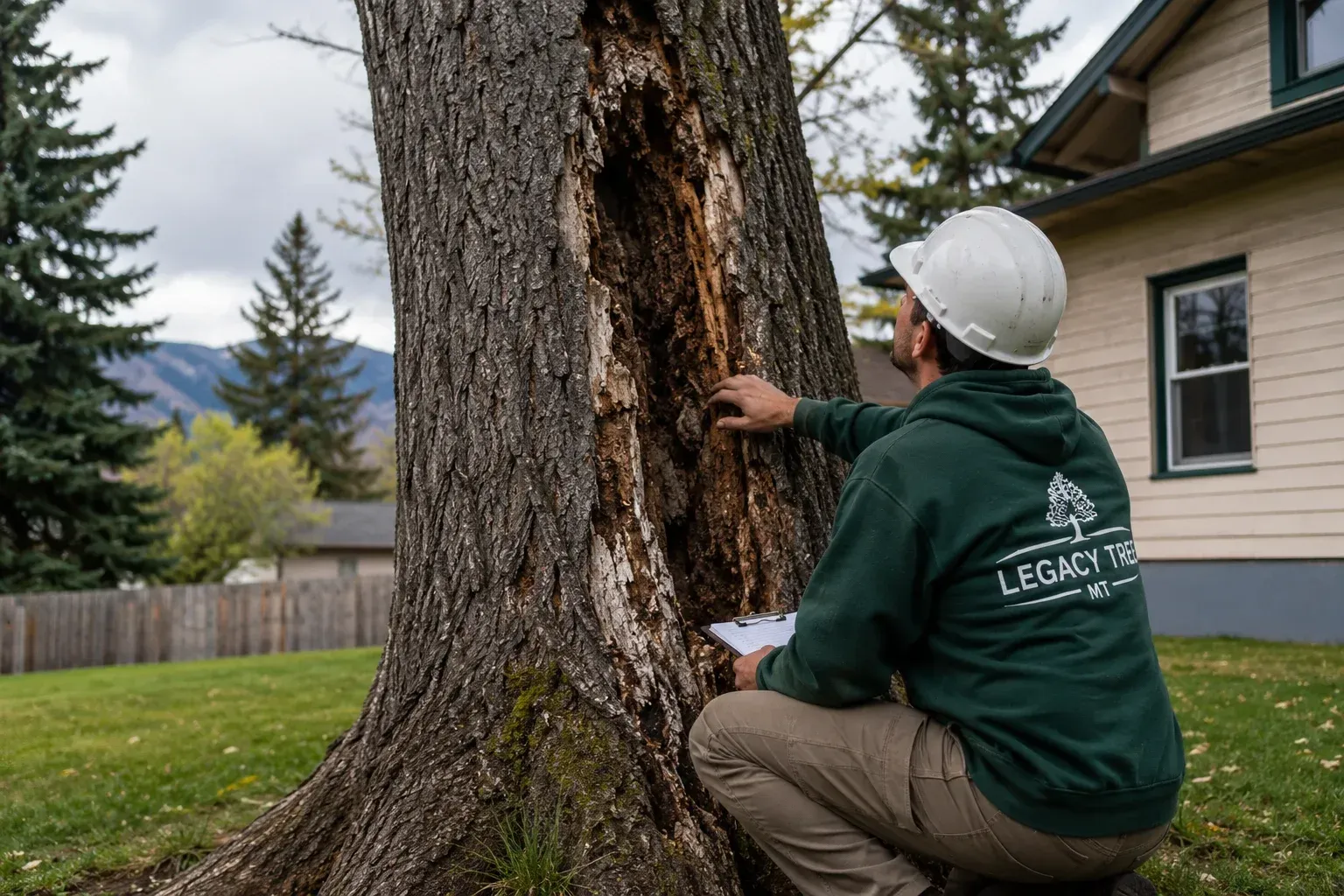
Table of Contents
- Introduction
- Dead or Dying Limbs and Branches
- Structural Damage and Visible Defects
- Disease and Pest Damage
- Storm Damage and Hazardous Positioning
- Root Problems and Foundation Issues
- Overgrowth and Clearance Concerns
- When to Call a Professional
- Conclusion
- Frequently Asked Questions
Key Takeaways
- Dead limbs, leaning trunks, and visible trunk damage are clear warning signs that a tree may need removal
- Disease and pest damage can spread to other trees on your property and weaken structural integrity
- Severe storm damage, root problems, and branches hanging over structures increase safety risks
- Professional assessment is the safest way to determine whether removal is necessary
- Early identification of problem trees helps prevent property damage and reduces costs over time
Introduction
A tree that's unstable, diseased, or structurally compromised can become a serious hazard to your home, family, and property. Knowing the warning signs helps you make informed decisions about whether tree removal makes sense. In Hamilton and the surrounding areas, trees face various challenges from weather patterns, pest pressure, and environmental stress that can weaken them over time.
The goal of this guide is to help you recognize when a tree might need removal rather than continued maintenance. Understanding these warning signs doesn't mean you need to cut down every tree showing minor issues - it means you can catch genuine problems early and take action before damage occurs.
Dead or Dying Limbs and Branches
One of the clearest signs that a tree has structural or health problems is dead wood. Dead limbs don't look the same as healthy branches - they're brittle, lack bark or have peeling bark, and snap easily if you bend them.
Dead branches fall without warning, especially during wind or after heavy snow. A few dead limbs scattered throughout a crown might just mean the tree is shedding older wood, which is normal. But when dead branches are concentrated in one area or make up a significant portion of the canopy, the tree may be struggling with disease, pest damage, or root problems.
Pay attention to branches that extend over your house, driveway, or property lines. Even small dead limbs can damage a vehicle or break a window. If the tree has extensive dead wood, removal becomes worth considering rather than waiting for branches to fall unexpectedly.
Structural Damage and Visible Defects
Trees that are bent, leaning, or cracked show structural stress that affects their stability. A slight lean isn't always a problem - many healthy trees grow at angles. But a sudden lean, or one that gets worse over time, suggests the tree may be uprooted or failing at the base.
Large cracks running through the trunk, or sections of bark that have split away, expose the interior wood to disease and decay. The tree loses its ability to transport water and nutrients through damaged areas, which weakens the whole structure. Cavities or hollow sections in the trunk are another sign of advanced decay. Trees with substantial hollow areas can't support their own weight reliably.
Splitting or forking at the main trunk, especially with included bark (bark growing into the crack), creates weak points where the tree can break apart, particularly under snow or wind load. If branches are hanging separately from the main trunk with gaps between them, the tree is already separating and becomes unpredictable.
Disease and Pest Damage
Different diseases and pests affect trees in Hamilton, Montana. Some weaken the tree slowly while others can kill a tree within a season or two.
Look for signs of disease like unusual discoloration, premature leaf drop, cankers (sunken or dead areas on branches), or fungal growth on the bark or around the base. Some fungal infections cause mushrooms or shelf-like growths to appear on the trunk - this usually means decay is happening inside the wood.
Pest damage includes holes in the bark, sawdust at the base, insect galleries under the bark, or visible insects. Some pest infestations are minor, while others can kill a tree by girdling it or destroying the nutrient-conducting layers.
When disease or pests are severe enough to kill large portions of the crown or girdle the trunk, the tree typically can't be saved. Disease can also spread to nearby trees, which is a practical reason to remove a heavily infected tree before it infects healthy ones around it.
Storm Damage and Hazardous Positioning
Severe storms in Montana can split, bend, or strip branches from trees. Not all storm-damaged trees need removal - recovery depends on how much damage occurred and where it's located.
A tree with the top broken off or multiple large limbs torn away has lost significant biomass. Even if it survives, it may grow back irregularly or remain unstable. Trees with bark completely stripped or large sections of the trunk exposed to weather are unlikely to recover.
Trees that lean toward buildings, power lines, or fences after a storm become hazards. They may continue to move or break, risking further damage. A tree that's partially uprooted but still standing is especially dangerous because it can fall at any time, even with little wind.
If branches are hanging over your roof or touching power lines, the risk of property damage or electrical hazard is immediate. This situation typically requires professional removal or at minimum professional assessment.
Root Problems and Foundation Issues
Problems below ground can be harder to spot, but visible signs include heaving soil around the base, roots breaking through pavement, or the tree gradually tilting more each year.
When tree roots damage foundations, shift concrete, or invade septic systems, you're dealing with a situation where the tree and your property are working against each other. Removing the tree stops the damage from getting worse, though it doesn't automatically repair what's already been done.
Some trees grow shallow root systems that can't anchor them properly, especially as they get older and heavier. If the soil around the base is eroding or compacted, the tree loses stability. This risk increases on slopes or in areas where water regularly washes away soil.
Consulting with someone who understands both trees and property damage can help you figure out whether removal is the best option or whether the situation can be managed another way.
Overgrowth and Clearance Concerns
Sometimes a tree isn't diseased or damaged - it's just too large for its location. Trees growing into power lines, hanging over structures, or taking up space needed for other uses might be candidates for removal rather than constant trimming.
Overgrown trees also block sunlight and moisture from reaching landscaping underneath, which can kill shrubs and grass. If a tree's size is becoming an ongoing maintenance issue, sometimes removal makes more sense than yearly pruning.
In some cases, selective tree trimming addresses these concerns without full removal. That's a conversation worth having with someone who can evaluate the tree's condition and your property's needs.
When to Call a Professional
Identifying warning signs is useful, but determining whether a tree actually needs removal requires professional assessment. Trees can be complex - some show warning signs but are still stable, while others look okay on the surface but have internal decay.
A certified arborist or tree care professional can examine the tree closely, assess the extent of any problems, and help you understand your options. They'll consider the tree's location, your property layout, safety concerns, and whether the tree is worth trying to save.
Your professional tree services can also handle safe removal if that's what's needed. Removing a large tree or one positioned near buildings requires proper equipment and expertise to prevent injury or property damage.
Conclusion
Recognizing warning signs helps you catch tree problems early. Dead limbs, visible damage, disease, storm injury, and root problems are all legitimate reasons to consider removal. Not every tree with issues needs to come down - some problems can be managed through careful maintenance or pruning.
The key is paying attention to your trees and not ignoring obvious signs of decline. A tree that's clearly hazardous or severely diseased poses risks that outweigh the benefits of keeping it standing. Early assessment by someone with experience and expertise gives you clearer information to make the right decision for your property.
The service areas around Hamilton include many properties with mature trees and varied conditions. Taking time to understand what you're looking at helps you maintain a safer, healthier landscape.
Next Steps
If you've noticed warning signs on any of your trees, an assessment from someone with experience in tree health and safety can help clarify what you're dealing with. An evaluation provides concrete information rather than guesswork, which supports better decision-making.
Whether you decide to keep or remove a tree, having professional guidance helps you move forward with confidence.
Frequently Asked Questions
Q: How do I know if a tree is actually dead or just dormant?
A: Dead trees don't produce new leaves or buds in spring, and the branches are brittle and snap easily. Dormant trees are still alive but resting - they'll leaf out when the season warms up. You can also scratch the bark with your fingernail - living wood underneath is green or light colored, while dead wood is brown or tan.
Q: Can a tree recover from storm damage?
A: Some trees recover well from moderate damage, especially if the main trunk and lower branches are intact. Severe damage where the top is broken off or multiple large limbs are torn away makes recovery unlikely. An experienced professional can assess whether recovery is realistic or whether removal is the practical choice.
Q: Is it safe to remove a tree myself?
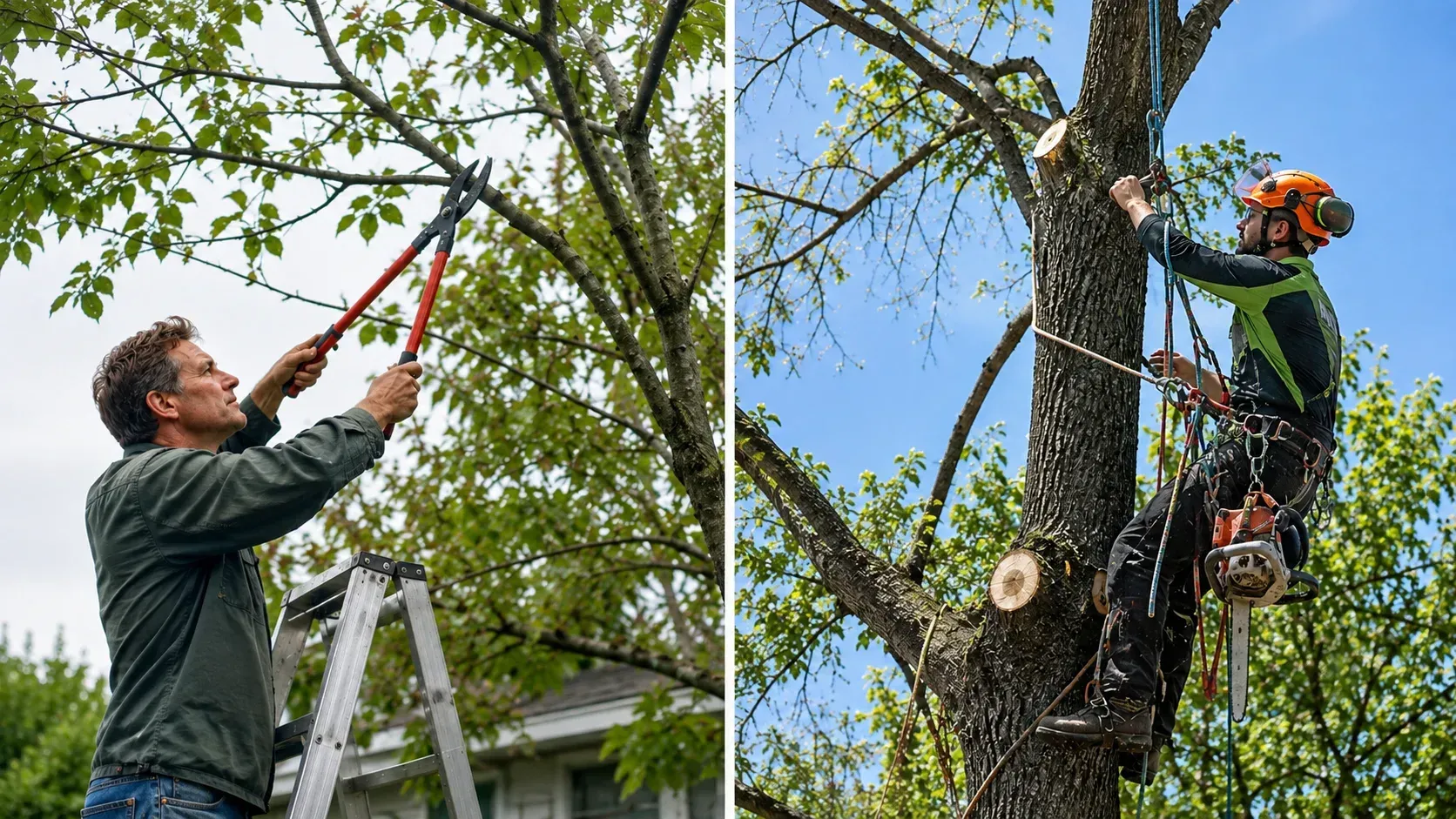
A: Removing a large tree is hazardous work that requires specialized equipment and training. Trees near buildings, power lines, or other structures significantly increase the danger. Small branches can be pruned carefully, but felling a whole tree typically requires professional help to keep people and property safe.
Q: What should I do with the stump after removal?
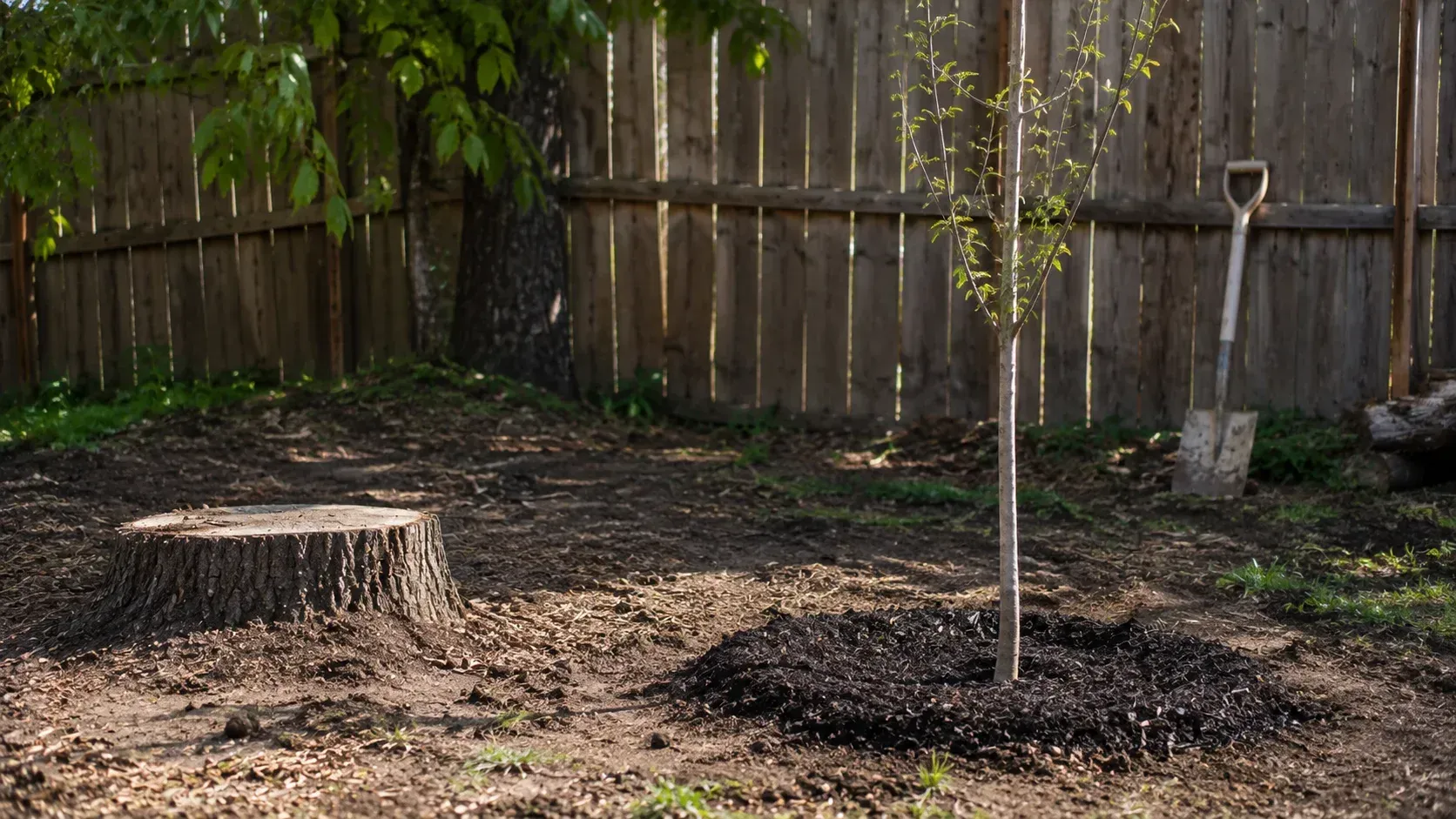
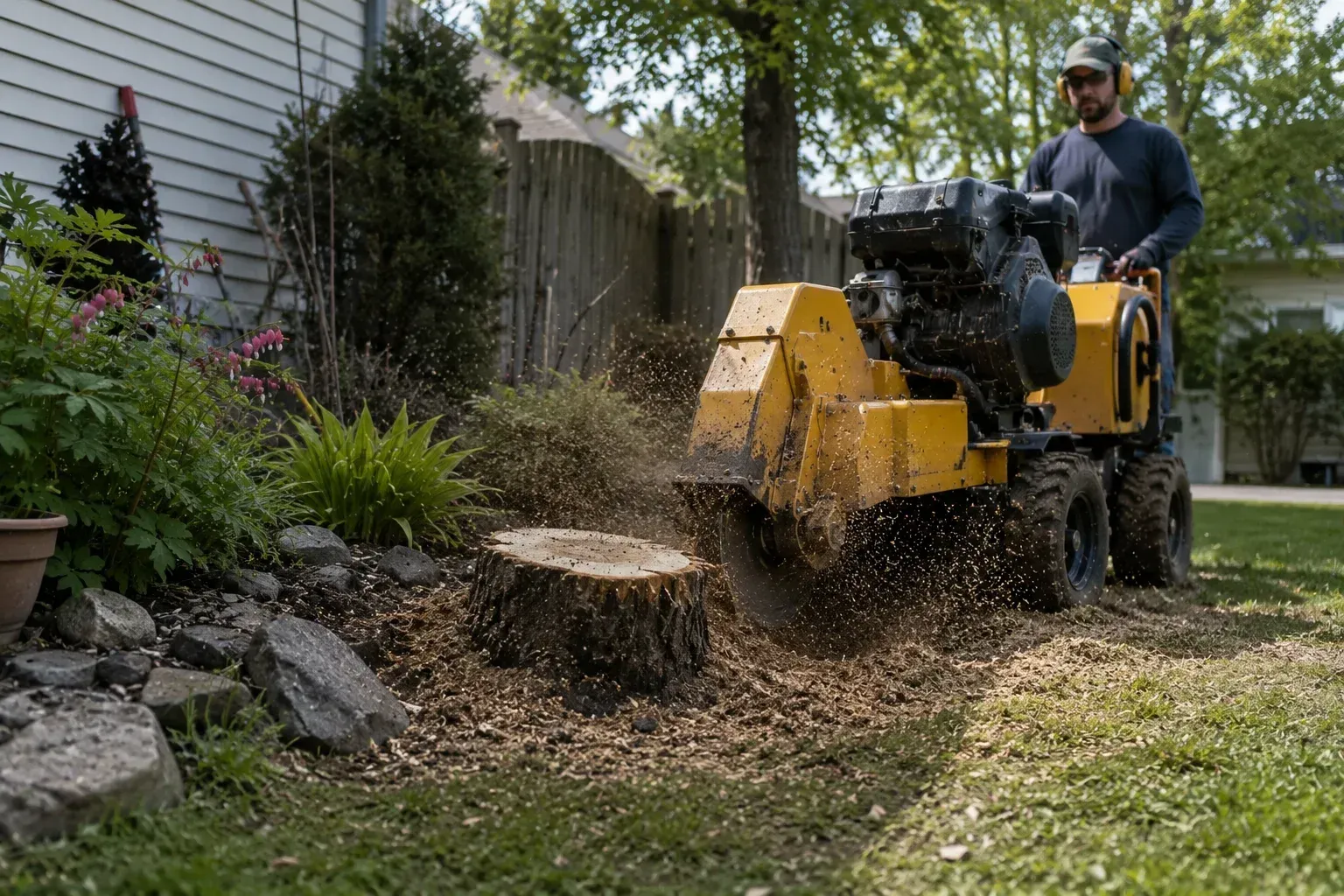
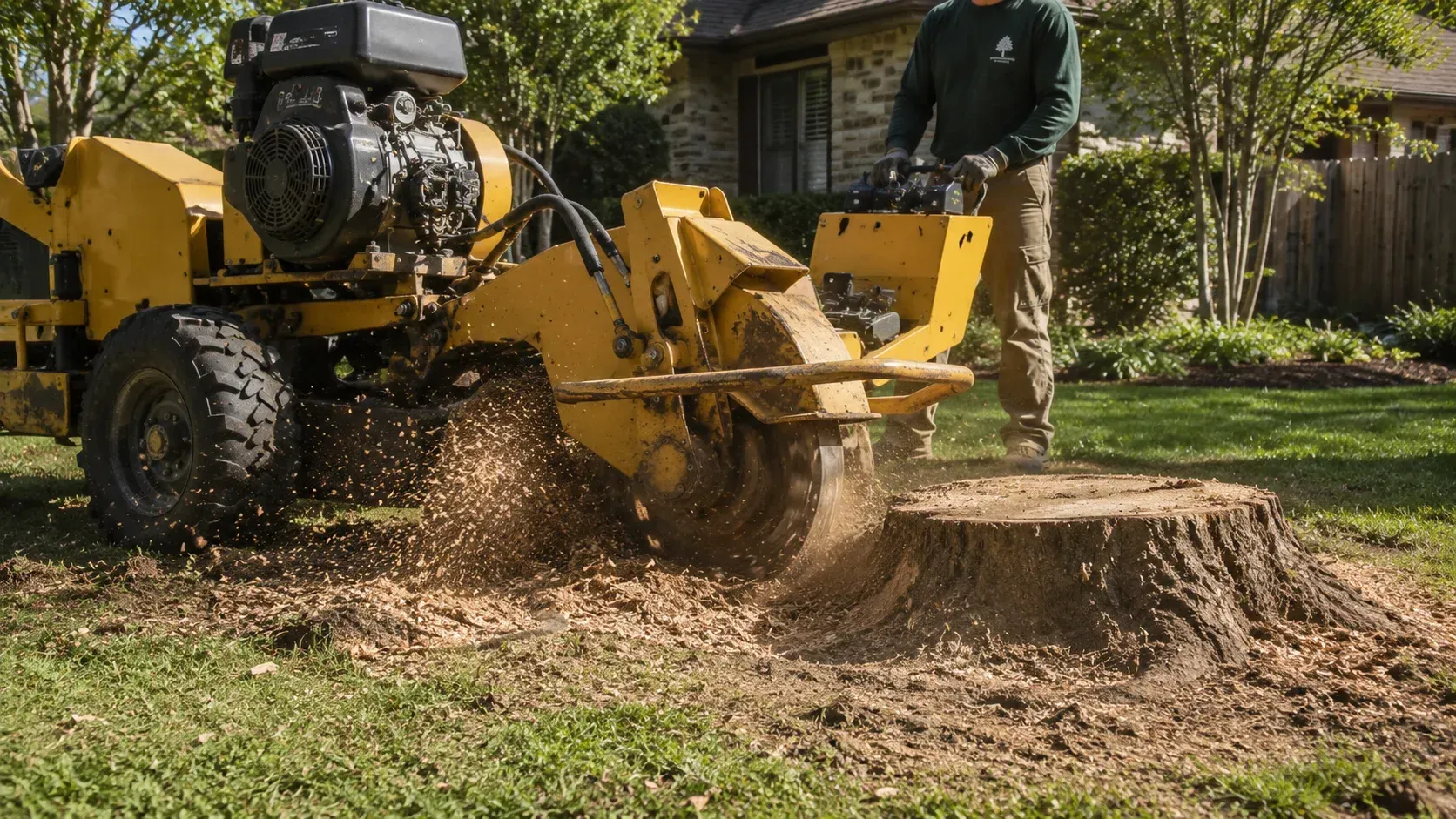
A: Stumps can be ground down below ground level using specialized equipment, or they can be left and treated to encourage decay. Stump grinding removes the stump completely, which opens up the space for new landscaping and eliminates tripping hazards or pest harboring areas.
Q: How much does tree removal cost?
A: Cost depends on tree size, location, condition, and what happens to the wood after removal. A tree near buildings or power lines typically costs more than one in an open area. Getting multiple assessments helps you understand what's reasonable for your situation.
Q: Will removing a tree damage my property?
A: Professional removal is done carefully to minimize disturbance to your yard. Experienced crews know how to protect surrounding landscaping and structures. The removal process itself, when done properly, causes far less damage than a tree falling unexpectedly.
Q: Can I leave dead trees standing for wildlife habitat?
A: Dead trees (called snags) do provide habitat for woodpeckers and other wildlife. However, safety comes first - if a dead tree poses a hazard to people or structures, it should be removed. You can sometimes create alternative habitats with smaller standing snags in less risky locations.