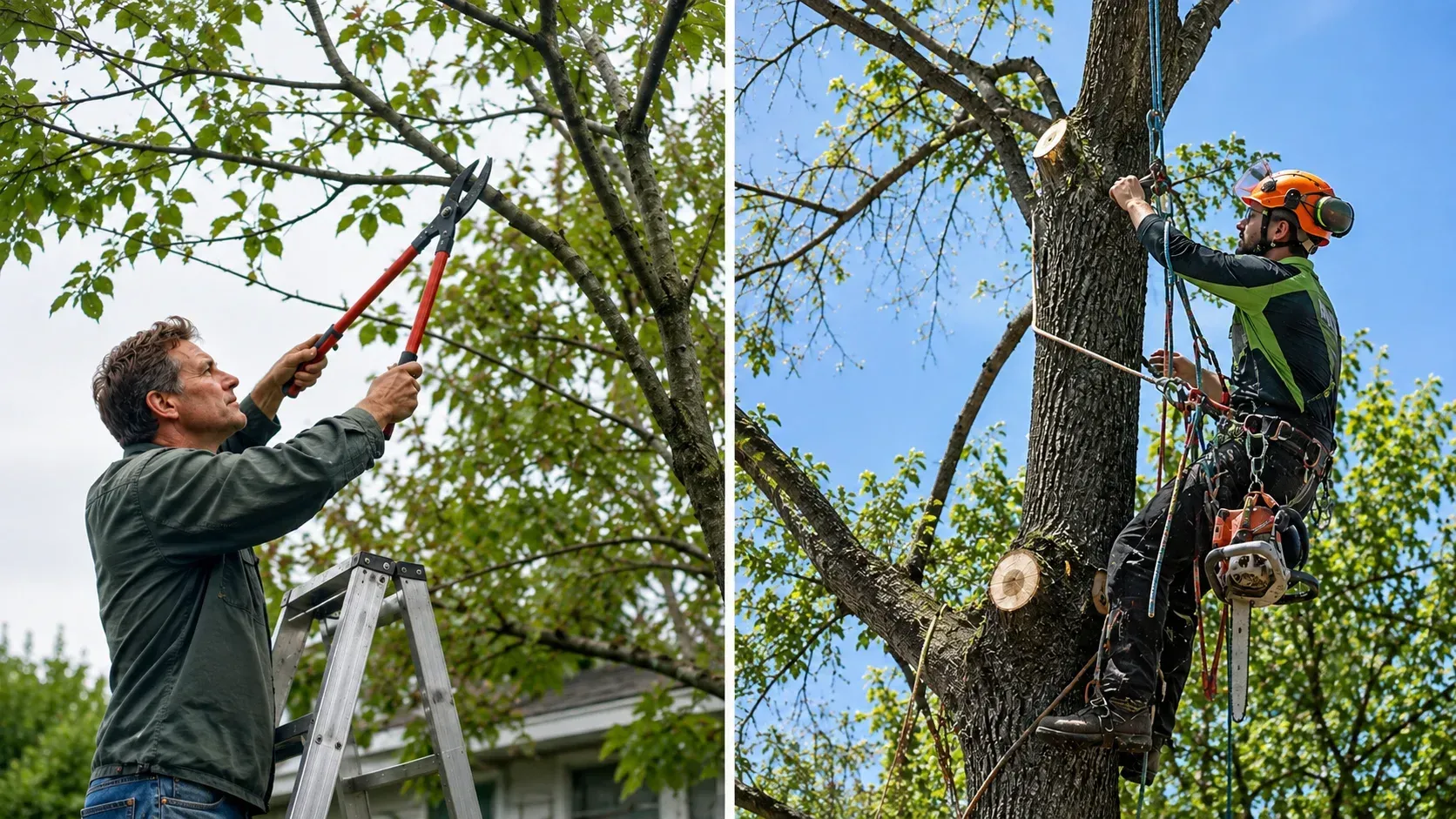
Can Improper Tree Trimming Damage or Kill a Tree?
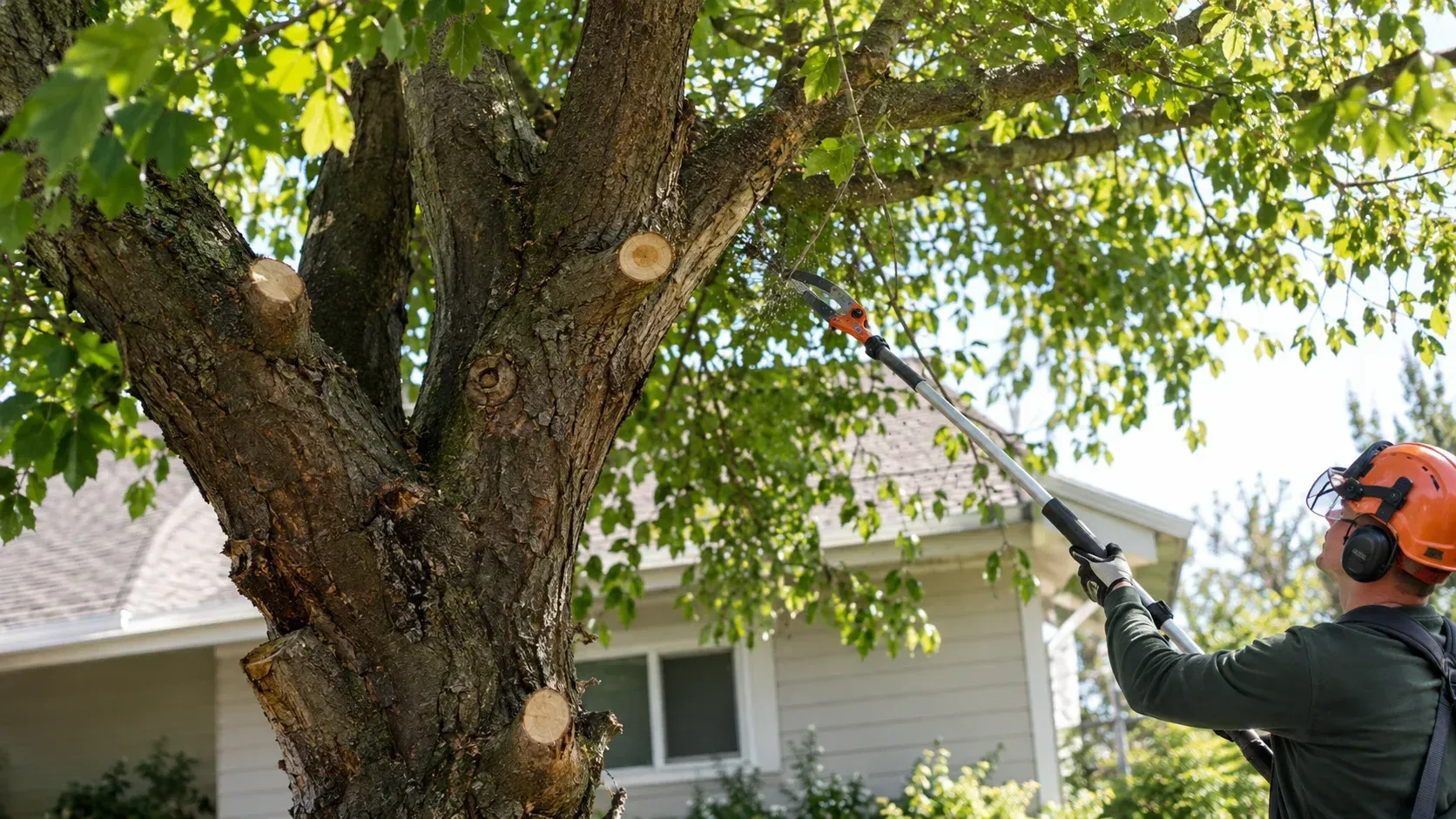
Table of Contents
- Introduction
- Yes, Improper Trimming Can Seriously Harm a Tree
- How Improper Cuts Damage Tree Health
- Common Tree Pruning Mistakes That Cause Harm
- Signs Your Tree Was Damaged by Bad Trimming
- How Long Damage Takes to Show Up
- A Practical Framework for Protecting Your Tree
- Common Misconceptions About Trimming Damage
- Real Scenarios - Trimming Gone Wrong
- What Typical Online Advice Overlooks
- How Proper Technique Prevents Damage
- Conclusion
- Protect Your Trees - Let's Talk
- Frequently Asked Questions
Key Takeaways
- Yes, improper tree trimming can seriously damage or even kill a tree, especially through incorrect cuts, over-pruning, and poor timing that stress the tree beyond its ability to recover
- Topping, flush cuts, and removing too much canopy at once are among the most damaging mistakes because they create large wounds and remove the tree's ability to produce energy
- Damage from bad trimming doesn't always appear immediately - some trees show stress and decline over months or even years after improper cuts were made
- A tree's ability to recover from poor trimming depends on species, overall health, and the severity of the mistake, with some damage being reversible and other damage being permanent
- Proper technique, correct timing, and understanding how much can safely be removed are the main factors that separate trimming that helps a tree from trimming that harms it
Introduction
Yes, improper tree trimming can seriously damage or kill a tree, particularly through incorrect cutting techniques, removing too much foliage at once, or cutting at the wrong time of year. The damage isn't always immediate - a tree can look fine right after a bad trim and then decline over the following months or years as the consequences develop.
For Hamilton homeowners and property owners, understanding how trimming mistakes actually harm trees helps you recognize problems early and make better decisions about who handles your tree care. Many well-intentioned trimming efforts, whether DIY or done by inexperienced crews, cause damage that isn't obvious until it's too late to fully reverse.
This guide explains exactly how improper trimming damages trees, what mistakes cause the most harm, and how to recognize when a tree has been affected. Understanding these risks helps you protect your trees whether you're hiring professional tree trimming or considering doing the work yourself.
Yes, Improper Trimming Can Seriously Harm a Tree
Direct Answer:
Improper tree trimming can cause significant damage, weaken a tree's structure, introduce disease, and in severe cases, kill the tree outright. The severity depends on what mistake was made, how much was removed, and the tree's overall health at the time.
Why This Matters:
Trees are living organisms that rely on their leaves, branches, and bark in specific ways to produce energy, transport nutrients, and defend against disease and pests. Cutting incorrectly disrupts these systems. Unlike a haircut that simply grows back, tree wounds either heal properly through a process called compartmentalization or they don't, and when they don't, the consequences compound over time.
The Practical Reality:
Not every trimming mistake kills a tree. Many trees survive poor pruning but live with permanent structural weaknesses, increased disease susceptibility, or reduced vigor. Some mistakes are more forgiving than others. Understanding the difference helps you recognize genuinely dangerous practices versus less severe errors.
How Improper Cuts Damage Tree Health
Understanding the biology behind trimming damage clarifies why certain techniques cause harm.
How Trees Heal From Cuts
When a branch is cut correctly, just outside the branch collar, the tree can seal the wound through a natural process that walls off the damaged area and prevents decay from spreading inward. This process depends entirely on where and how the cut is made. Cut incorrectly, and the tree cannot seal the wound properly.
Why Flush Cuts Cause Problems
A flush cut removes the branch collar, the swollen area where a branch meets the trunk. This collar contains the cells responsible for sealing the wound. Without it, the cut surface cannot heal properly, leaving the tree vulnerable to decay, insects, and disease that can spread into the trunk itself.
Why Stub Cuts Cause Problems
The opposite mistake, leaving too much of a branch stub beyond the collar, prevents proper healing because the tree cannot seal around the remaining dead wood. This stub eventually dies back, creating an entry point for decay that can work its way toward the trunk.
Energy Production Disruption
Leaves produce the energy a tree needs to survive and grow through photosynthesis. Removing too much canopy at once, more than 25-30% of the live foliage, can leave the tree without enough energy production capacity to heal wounds, fight off pests, and maintain basic functions. This stress compounds, especially during the tree's active growing season.
Common Tree Pruning Mistakes That Cause Harm
Several specific mistakes account for most trimming-related tree damage.
Topping
Topping involves cutting main branches or the central leader down to stubs, often to reduce a tree's height. This is widely considered one of the most damaging practices in tree trimming because it removes large amounts of canopy, creates numerous large wounds, and triggers weak, rapid regrowth that's poorly attached and prone to breaking.
Over-Pruning in a Single Session
Removing too much of a tree's canopy at once, even with proper cuts, stresses the tree beyond what it can handle. This is especially damaging to already stressed or declining trees that don't have reserve energy to compensate for the sudden loss.
Cutting During the Wrong Season
Pruning certain species during active sap flow or right before winter dormancy can cause excessive bleeding, increase disease vulnerability, or prevent wounds from sealing before cold weather arrives. Timing matters significantly for certain species more than others.
Using Dull or Dirty Tools
Dull tools create ragged, torn cuts rather than clean ones, making it harder for the tree to seal the wound. Dirty tools can transfer disease pathogens from an infected tree to a healthy one, spreading problems between trees on the same property.
Removing Too Many Lower Branches at Once
Aggressive crown raising, removing too many lower branches in a single session, can shift the tree's center of gravity, reduce its structural stability, and remove foliage needed for trunk development, particularly in younger trees.
Signs Your Tree Was Damaged by Bad Trimming
Recognizing damage early helps you address problems before they become severe.
Excessive Sprouting Near Cut Sites
When a tree responds to improper cuts with dense clusters of thin, weak shoots called water sprouts or suckers, this indicates the tree is stressed and attempting to recover lost canopy. These sprouts are often weakly attached and create future hazards.
Visible Decay or Discoloration at Cut Sites
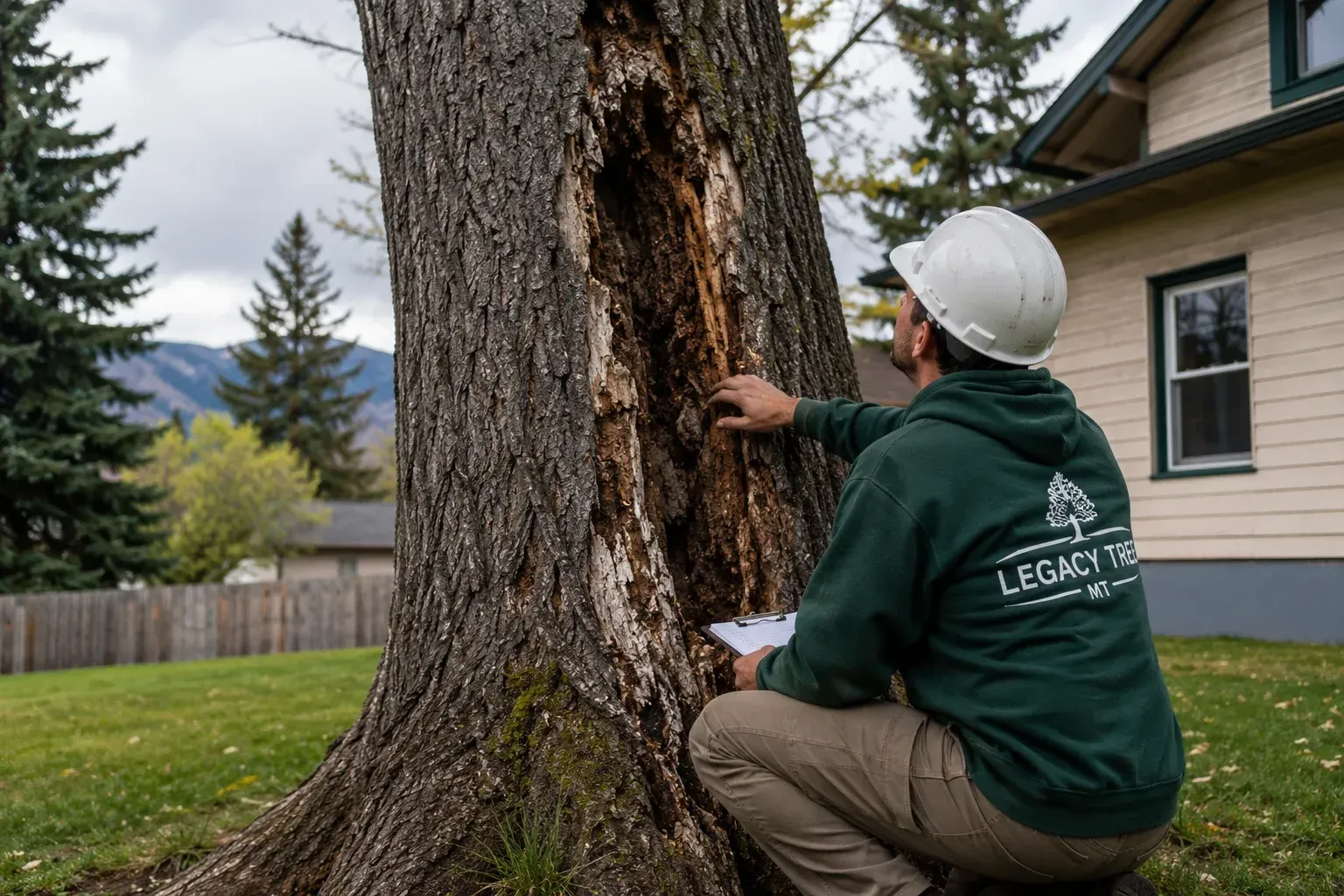
Dark staining, soft or crumbling wood, or fungal growth around where cuts were made indicates the wound didn't heal properly and decay has set in. This can spread deeper into the tree over time.
Reduced Leaf Size or Canopy Thinning
A tree that produces noticeably smaller leaves or has a thinner canopy than previous years, especially following trimming, may be struggling to recover from excessive foliage removal.
Dieback in Branches Away From Cut Sites
When branches far from where trimming occurred begin dying, this can indicate the tree's overall vigor has been compromised, often from over-pruning that left insufficient energy production capacity.
How Long Damage Takes to Show Up
Trimming damage doesn't always announce itself immediately.
Immediate Signs
Some problems are visible right away, like excessive stub cuts, flush cuts, or obvious topping. These mistakes are identifiable at the time of trimming, even if the tree's full response takes longer to develop.
Delayed Signs Within Months
Stress responses like excessive sprouting or wilting can appear within the same growing season as the improper trim, especially if the mistake was severe or the tree was already weakened.
Long-Term Signs Over Years
Decay from improperly sealed wounds often takes one to several years to become visible from the outside, even as it progresses internally. A tree might look fine for two or three years before structural weakness becomes apparent, sometimes resulting in branch failure or trunk collapse well after the original trimming mistake.
A Practical Framework for Protecting Your Tree
Use this framework to minimize the risk of trimming damage.
Step 1: Verify Proper Timing
Research or ask about the best trimming time for your specific tree species. Many trees do best with late winter or early spring trimming, though this varies.
Step 2: Limit How Much Is Removed
Follow the general guideline of not removing more than 25-30% of a tree's live canopy in a single trimming session, especially for mature or already stressed trees.
Step 3: Confirm Proper Cutting Technique
Cuts should be made just outside the branch collar, not flush against the trunk and not leaving long stubs. If hiring help, ask how they make their cuts.
Step 4: Use Clean, Sharp Tools
Whether you're trimming yourself or verifying a contractor's approach, properly maintained tools make cleaner cuts that heal better and reduce disease transmission risk.
Step 5: Monitor After Trimming
Watch for signs of stress, excessive sprouting, or dieback in the months following any significant trimming work, allowing you to address problems early if they develop.
Common Misconceptions About Trimming Damage
Several widespread beliefs about trimming don't match reality.
Misconception 1: "Trees can handle any amount of trimming because they're resilient"
What's actually true: While trees are resilient to many stresses, their energy production capacity is finite. Removing too much canopy, even with technically correct cuts, can overwhelm the tree's ability to heal and maintain itself.
Why the distinction matters: Assuming unlimited resilience leads to over-pruning that genuinely weakens or kills trees, especially mature ones with less reserve capacity than younger, more vigorous trees.
Misconception 2: "If the tree survives the first year, the trimming was fine"
What's actually true: Decay and structural weakness from improper cuts often take years to become apparent. A tree surviving the immediate aftermath doesn't mean the trimming was done correctly.
Why the distinction matters: This false reassurance prevents people from recognizing problems until branches fail or the tree's decline becomes severe, sometimes creating safety hazards that could have been prevented with proper initial technique.
Misconception 3: "Topping is fine if it's the only way to reduce a tree's height"
What's actually true: Topping is almost universally considered harmful by arborists because it creates the specific damage patterns described earlier. If height reduction is genuinely necessary, proper crown reduction techniques exist that reduce height without the same damage.
Why the distinction matters: Choosing topping over proper crown reduction trades a quick fix for long-term tree health problems and future safety hazards from weak regrowth.
Misconception 4: "Any trimming mistake can be fixed with corrective pruning"
What's actually true: Some damage, particularly internal decay from flush cuts or severe topping, cannot be reversed. Corrective pruning can improve a tree's future structure but cannot undo decay that has already set in.
Why the distinction matters: Understanding that some damage is permanent emphasizes the importance of getting trimming right the first time rather than assuming mistakes are always fixable.
Real Scenarios - Trimming Gone Wrong
These scenarios illustrate how trimming mistakes play out in actual situations.
Scenario 1: DIY Topping to Reduce Height
Situation: A homeowner topped a mature maple to reduce its height, cutting main branches down to stubs.
What Happened: The tree responded with dense clusters of weak water sprouts within the same growing season. Within three years, several of these sprouts had grown large enough to become hazardous, poorly attached to the tree.
Outcome: The homeowner eventually needed professional removal of the weak regrowth and ongoing corrective pruning to redevelop a safer structure, costing more over time than proper initial trimming would have.
Scenario 2: Inexperienced Crew Using Flush Cuts
Situation: A property owner hired an inexpensive, inexperienced crew that made flush cuts when removing several large branches from an oak tree.
What Happened: Within two years, decay became visible at several cut sites, with soft wood and fungal growth indicating internal rot had set in.
Outcome: A professional tree removal assessment determined the decay had progressed too far into the trunk to safely save the tree, requiring complete removal five years after the original improper trimming.
Scenario 3: Over-Pruning a Stressed Tree
Situation: A homeowner removed approximately 50% of a drought-stressed tree's canopy in a single session, trying to address some dead branches along with general shaping.
What Happened: The tree, already stressed from drought, couldn't produce enough energy to heal the numerous cuts and maintain itself. Significant dieback occurred the following season.
Outcome: The tree survived but with permanently reduced vigor and a sparse canopy that never fully recovered, illustrating how combining multiple stressors compounds damage risk.
What Typical Online Advice Overlooks
Generic online trimming advice often misses important nuances about damage risk.
What Online Sources Usually Say
"Just make sure to cut at a 45-degree angle and you'll be fine."
What's Missing
This oversimplifies proper pruning technique to a single detail while ignoring the branch collar's role, the importance of cut location relative to the collar, species-specific timing considerations, and how much can safely be removed based on the tree's current health and size.
Why This Matters
Following simplified advice while missing these other factors can still result in significant damage. The angle of a cut matters far less than whether it preserves the branch collar and whether the overall amount removed is appropriate for that specific tree.
The Practical Reality
Proper trimming requires understanding tree biology beyond cutting angle alone. This includes recognizing branch collars, understanding seasonal timing for different species, and assessing how much canopy removal a specific tree can handle based on its current health and vigor.
How Proper Technique Prevents Damage
Understanding what correct trimming looks like helps you evaluate whether work is being done properly.
Identifying the Branch Collar
The branch collar is the slightly swollen area where a branch meets the trunk or a larger branch. Proper cuts are made just outside this collar, preserving the tissue needed for proper wound sealing.
Appropriate Cut Angles
While exact angle matters less than collar preservation, cuts should generally follow the natural angle of the branch collar rather than being perfectly horizontal or at an arbitrary angle.
Gradual Approach for Larger Reductions
When significant canopy reduction is needed, spreading the work across multiple seasons rather than removing everything at once allows the tree to maintain adequate energy production throughout the process.
Professional Assessment Before Major Work
Before significant trimming, especially on mature or already stressed trees, professional assessment helps determine how much the tree can safely handle and what timing minimizes stress.
Conclusion
Improper tree trimming can cause serious, sometimes irreversible damage to trees, ranging from increased disease susceptibility to structural weakness to outright tree death. The most damaging mistakes include topping, flush cuts, stub cuts, over-pruning, and trimming at inappropriate times for specific species.
Damage from bad trimming doesn't always appear immediately. Some consequences develop over months, while structural decay from improperly healed wounds can take years to become visible, sometimes resulting in branch failure long after the original mistake.
Understanding proper technique, including branch collar preservation and appropriate limits on how much canopy to remove at once, helps protect tree health whether you're evaluating a contractor's work or considering trimming yourself. When in doubt about a significant trimming decision, professional assessment helps avoid mistakes that are difficult or impossible to reverse.
Protect Your Trees - Let's Talk
Trees represent years of growth and significant property value, making proper care worth getting right. If you're uncertain whether previous trimming has damaged your trees, or if you're planning upcoming trimming work and want to ensure it's done correctly, discussing your specific situation helps.
If you'd like an assessment of your tree's current condition or want guidance before trimming work begins, you can contact us today to discuss what you're seeing and get recommendations tailored to your trees. There's no pressure - just a conversation about protecting your property's trees.
You can also
reach out anytime with questions about proper trimming technique or if you want a professional opinion before attempting significant pruning yourself.
Frequently Asked Questions
1. If a tree was topped years ago, is there anything that can be done to help it now?
Corrective pruning over several years can improve the tree's structure by selectively removing some of the weak regrowth and encouraging better-attached branches. However, this won't reverse any internal decay already present from the original topping cuts. A professional assessment can determine what's realistically achievable for a specific tree.
2. How much can I safely trim from my tree in one session without causing damage?
A general guideline is not removing more than 25-30% of a tree's live canopy at once. For already stressed, diseased, or declining trees, an even more conservative approach is safer. The right amount varies by species, age, and current health, so when uncertain, less aggressive trimming is the safer choice.
3. Can improper trimming actually kill a healthy tree outright, or does it just weaken it?
Severe enough mistakes, particularly extensive topping or removing a very large percentage of canopy from an already vulnerable tree, can kill a tree outright, especially if combined with other stressors like drought or disease. More commonly, improper trimming weakens a tree significantly without immediately killing it.
4. Is it possible to tell if previous trimming damaged my tree if I didn't do the work myself?
Yes, several signs indicate past trimming damage including visible flush cuts or long stubs where branches were removed, decay or discoloration at old cut sites, dense clusters of thin regrowth, and overall reduced vigor compared to similar nearby trees. A professional assessment can confirm these observations.
5. Does the type of tree affect how much damage improper trimming causes?
Yes significantly. Some species tolerate aggressive pruning better than others, while certain species are particularly sensitive to timing and technique. Trees already under stress from age, disease, or environmental conditions are generally less able to recover from trimming mistakes than healthy, vigorous trees.