When Is the Best Time to Trim Trees in the Bitterroot Valley, Montana?
Table of Contents
- Introduction
- Why Timing Matters for Tree Trimming
- Spring - The Ideal Trimming Season
- Late Winter Pruning Before Growth Begins
- Summer Trimming - Proceed With Caution
- Fall and Early Winter - Generally Not Ideal
- Tree Species Make a Difference
- Signs Your Trees Need Trimming Now
- How to Know When to Call a Professional
- Conclusion
- Ready to Discuss Your Trees?
- Frequently Asked Questions
Key Takeaways
- Late winter and early spring are generally the best times to trim most tree species in the Bitterroot Valley, when trees are dormant or just beginning active growth
- Understanding your tree species matters because conifers, deciduous trees, and fruit trees have different pruning windows and requirements
- Summer trimming is possible but requires caution to avoid stress, while fall trimming before winter dormancy can be problematic for tree health
- Regular trimming throughout the year maintains tree safety and appearance, but the timing and extent of cuts depend on what the tree needs
- Professional assessment helps determine if your specific trees need immediate attention or can wait for the optimal season
Introduction
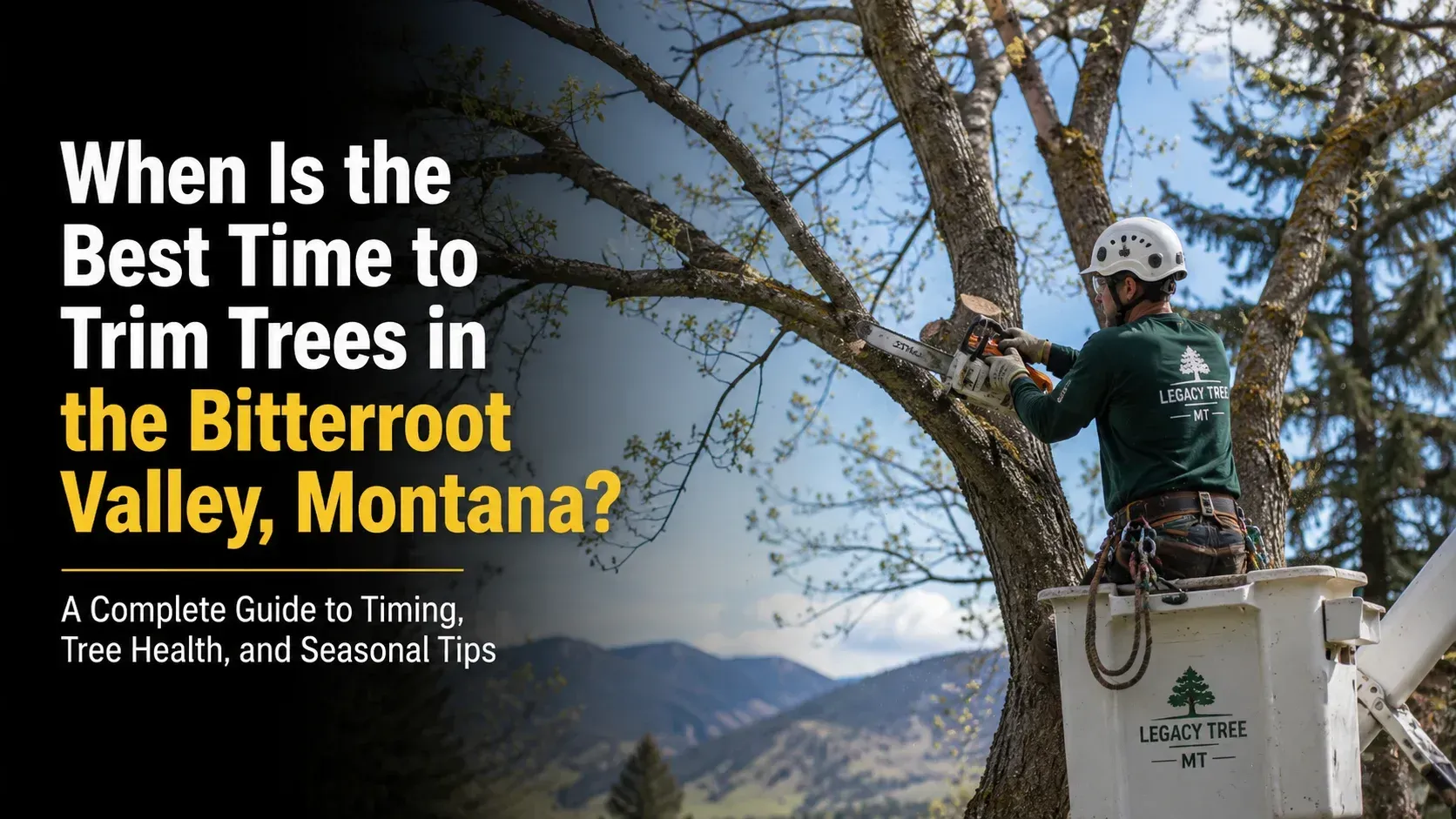
The best time to trim most trees in the Bitterroot Valley is late winter through early spring, roughly February through April, when trees are dormant or just starting to wake up from winter dormancy. Timing your tree trimming with the natural growth cycles and seasonal weather patterns of Montana helps trees recover faster, reduces disease risk, and promotes healthier branch structure.
For homeowners and property owners in the Bitterroot Valley, understanding when to trim trees is about more than just keeping your property looking neat. Proper timing reduces stress on trees, minimizes the risk of disease and pest infestation, and supports the long-term health and safety of your landscape. Trees that are trimmed at the right time recover faster, develop stronger branch structures, and live longer. Trees trimmed at the wrong time may struggle to heal, attract diseases, or experience unnecessary stress that weakens them for seasons to come.
This guide walks you through the seasonal considerations for tree trimming in the Bitterroot Valley, explains why timing matters, and helps you figure out whether your trees can wait for spring or need attention sooner.
Why Timing Matters for Tree Trimming
Timing tree trimming with the seasons isn't just a matter of convenience. It directly affects how your trees heal and how they respond to the cuts you make.
When you trim a tree, you're creating wounds that the tree needs to seal and heal. Trees have different levels of energy and natural defenses depending on the season. During dormancy, trees aren't actively growing, which means they're not wasting energy on new growth from the cut areas. During active growth seasons, trees can redirect their energy toward healing. The timing you choose influences how quickly and completely a tree seals its wounds.
Seasonal timing also affects disease and pest risk. Certain fungi and insects are more active during specific times of year. Trimming during seasons when these threats are less active reduces the chance that fresh cuts will become infected. In the Bitterroot Valley's climate, this is especially important because our cold winters slow pest activity, making late winter and spring pruning safer choices.
Temperature and moisture also play roles. Trees trimmed just before warm, wet spring weather often respond well because conditions are ideal for wound closure and new growth. Trees trimmed in late fall or early winter may struggle because they're heading into dormancy rather than an active growth period.
Spring - The Ideal Trimming Season
Spring, particularly mid-April through May, is often considered the best time to trim most trees in Montana. This is when trees are actively growing after winter dormancy, which means they have energy available for healing and pushing out new growth.
As temperatures warm and days get longer, trees wake up and begin moving water and nutrients throughout their systems. This active growth phase is when trees can best respond to trimming. They heal faster, seal wounds more effectively, and can direct energy toward new, healthy growth. If you trim a tree in spring, you'll often see new growth appearing within weeks.
Spring trimming also happens before summer pests become highly active in many cases, and after the heaviest snow loads have passed. You avoid the stress of trimming branches that are weighed down with snow or ice, and you don't interrupt a tree's critical early growth phase.
The main consideration with spring trimming is avoiding cuts right when trees are putting out tender new growth. Once new leaves and shoots have hardened off a bit, usually by late April in the Bitterroot Valley, spring is the time to trim.
Late Winter Pruning Before Growth Begins
Late winter, roughly February through mid-March in the Bitterroot Valley, is another strong window for tree trimming. At this time, trees are fully dormant, which has specific advantages.
Dormant trees aren't actively moving water and nutrients, so they won't bleed sap the way they do in spring. This is particularly important for certain species. A dormant tree won't waste energy on growth from cut branches because it's not growing yet. It will direct that energy toward healing the wounds instead.
Late winter trimming also lets you see the tree's structure clearly because there are no leaves hiding the branch pattern. This makes it easier to make good decisions about which branches to remove and how to shape the tree for health and safety.
The downside is that trees trimmed in late winter have a longer wait before they can actively heal. They're heading into the warmer part of spring rather than coming out of dormancy, so the healing process takes longer than it does with spring trimming.
Summer Trimming - Proceed With Caution
Summer is not ideal for trimming most trees, but sometimes it's necessary. If a branch is damaged, diseased, or poses a safety risk, waiting for fall isn't reasonable.
Summer trimming does create stress. Trees are using all their energy for growth and managing water during hot, dry weather. Adding trimming wounds on top of that stress can slow healing and weaken the tree. In the Bitterroot Valley, where summers can be hot and dry, trees are already working hard to manage their water. Trimming them adds an extra burden.
If you do trim in summer, focus on removing dead, damaged, or diseased wood rather than doing extensive shaping. Light trimming to maintain safety is acceptable. Heavy pruning that removes large amounts of foliage should wait for late winter or early spring.
One practical advantage of summer trimming is visibility. It's easier to spot dead or diseased branches when trees are fully leafed out. If you see a problem in summer, you can safely remove that specific branch without waiting for the ideal season.
Fall and Early Winter - Generally Not Ideal
Fall and early winter, October through January, aren't great times to trim most trees in Montana. Here's why.
When you trim a tree in fall, you're making fresh cuts just as the tree is preparing for dormancy. The tree won't have time to seal those wounds effectively before cold weather arrives. Unsealed wounds are vulnerable to frost crack, where the exposed wood freezes and expands, creating further damage.
Fall trimming also encourages new tender growth that won't have time to harden off before winter. Young shoots that emerge in fall are often killed by frost, creating weak points on the tree. Winter cold can also cause damage to freshly cut branch tips.
Additionally, certain fungi that cause disease are active in fall and early winter. Fresh cuts made during this period are more likely to become infected.
The only exception is if a tree has a dead or dangerous branch that poses an immediate safety risk. Safety concerns override seasonal timing. But routine trimming and maintenance work should wait until late winter or spring.
Tree Species Make a Difference
Not all trees respond the same way to trimming, and the Bitterroot Valley has several common species that each prefer slightly different timing.
Deciduous trees like maples, aspens, and cottonwoods can be trimmed in late winter while dormant or in spring as they're growing. Spring trimming usually produces the best results for these trees because they respond quickly with new growth. Some people prefer late winter trimming on maples and birches to avoid excessive sap bleeding, but this is more about convenience than health.
Conifers like Douglas fir, ponderosa pine, and spruce are best trimmed in early summer, late spring, or early fall. These trees don't respond well to dormant season pruning the way deciduous trees do. They need to be actively growing or at least warming up to handle cuts well. For most conifers in the Bitterroot Valley, late May through August is acceptable, though May and June are preferable.
Fruit trees like apple and cherry prefer late winter to early spring pruning when they're still dormant but about to wake up. This timing gives them the whole growing season to establish new fruiting wood.
If you're unsure about your specific trees, knowing the species helps. You can also look for a professional assessment to understand what your trees need.
Signs Your Trees Need Trimming Now
Some tree problems don't wait for the ideal season. If your tree has any of these issues, timing becomes less important than addressing the problem.
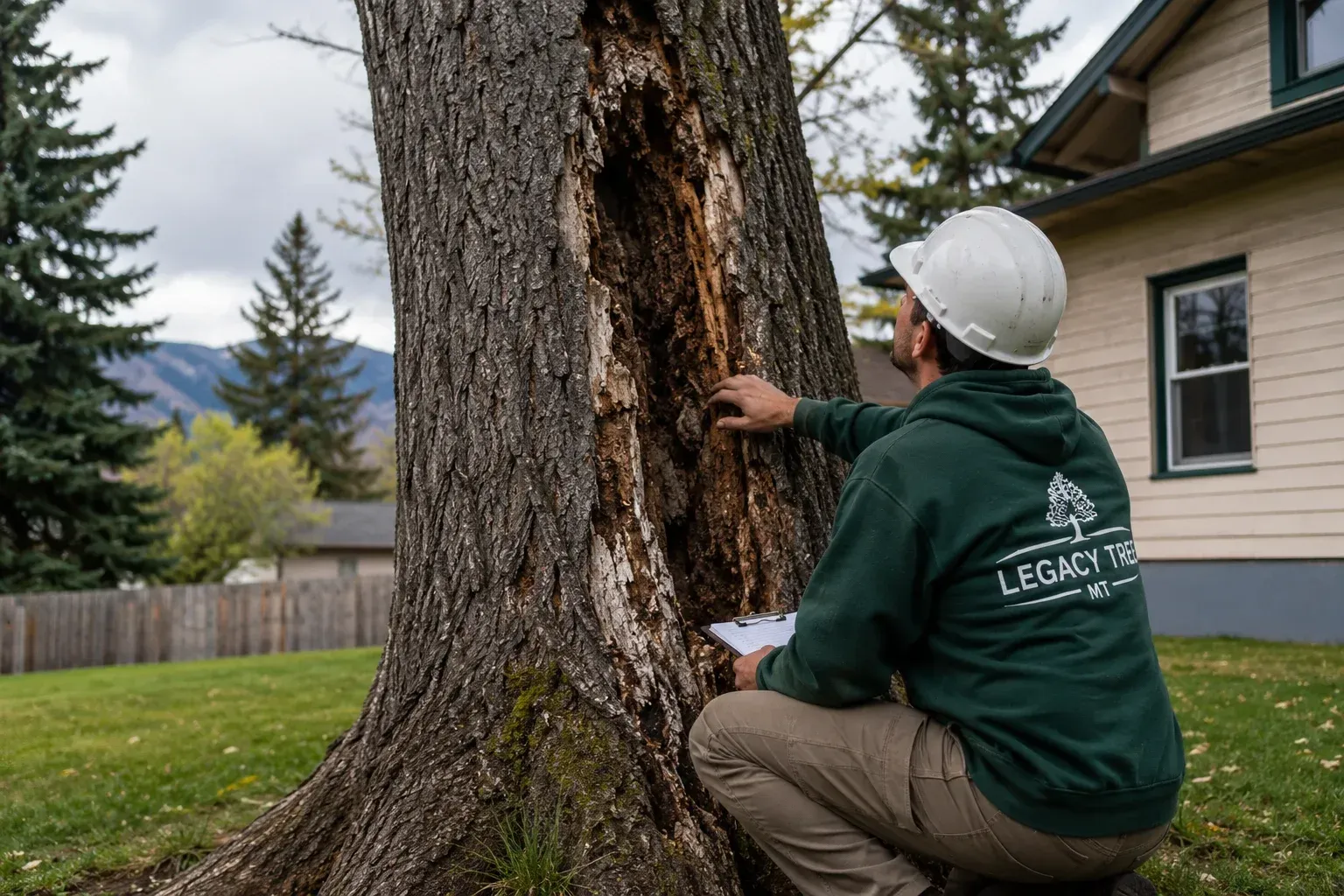
Dead branches are fair game to remove anytime. Dead wood won't heal or grow, and it poses safety risks as it becomes brittle. Removing dead branches immediately improves safety and appearance.
Branches that are broken, severely damaged, or hanging at dangerous angles should be addressed promptly. A branch hanging over your house, driveway, or near power lines is a safety issue. Don't wait for spring if there's a safety concern.
Signs of disease like cankers, unusual discoloration, or weeping sap indicate a tree might need attention sooner rather than later. Diseased branches should be removed to prevent spread. A professional can help determine if the disease is something that needs immediate action or can wait.
Branches rubbing against other branches, crossing the main structure, or creating dense, crowded areas where disease thrives can usually wait for the ideal season, but removing them sooner rather than later is reasonable if the tree is clearly stressed.
How to Know When to Call a Professional
Assessing whether your trees need trimming and figuring out the right timing isn't always straightforward. A few situations call for professional input.
If your tree has branches over your house, over power lines, or in any situation where a falling branch could cause damage or injury, get a professional assessment. You shouldn't assume the timing considerations when safety is involved.
If you're unsure about the tree species or what shape the tree is in, a professional can evaluate it, explain what it needs, and recommend timing. Someone with experience can look at your specific trees, understand the local conditions, and give you a realistic plan.
If the tree shows signs of disease, unusual growth patterns, or structural problems, a professional assessment clarifies what's happening and what should be done. Not every odd-looking tree needs emergency work, but expert eyes help you make better decisions.
Professional trimming also ensures the work is done correctly. Improper trimming can damage trees far more than waiting for the right season and doing it right. If you decide trees need attention, doing it properly matters more than doing it yourself.
Conclusion
The best time to trim most trees in the Bitterroot Valley is late winter through spring, when trees are dormant or beginning active growth. This timing takes advantage of natural growth cycles, reduces disease risk, and promotes faster healing. However, the ideal season varies based on tree species, and safety concerns always override seasonal considerations.
Regular assessment of your trees helps you understand what they need and when they need it. Some trees can wait for spring, while others benefit from attention sooner. Dead branches, safety hazards, and signs of disease don't follow the calendar.
Understanding these timing principles helps you make informed decisions about your landscape. Whether your trees can wait for the ideal season or need prompt attention depends on their specific condition and your property situation.
Ready to Discuss Your Trees?
If you're not sure whether your trees need trimming soon or can wait until the right season, talking through your specific situation helps. Our team can look at your property, assess tree health and structure, and explain what your trees actually need rather than what the general rules suggest. Every property and every tree is a bit different.
We're here to help you understand your trees and make decisions that work for your situation. If you'd like to discuss what your trees need and when, you can reach out anytime. There's no pressure - we just want to help you make informed choices about your landscape.
For more information about how
professional tree services approach tree care throughout the year, or to learn more about what's involved in proper trimming, feel free to explore our
complete service details.
Frequently Asked Questions
Can I trim my trees anytime during spring and summer?
Spring and early summer are generally safe for trimming, but the earlier in spring you trim, the better trees typically respond. Once mid-summer arrives and heat becomes intense, extensive trimming creates stress. Light trimming for safety or removing dead branches is fine anytime, but saving major shaping and pruning for late winter or spring is smarter.
What happens if I trim my trees in fall?
Fall trimming isn't ideal because trees are preparing for dormancy and won't have time to seal wounds before winter cold. Fresh cuts made in fall can be damaged by frost, and the tree won't recover well. Tender new growth triggered by fall pruning is often killed by winter frost. If a safety issue exists, trim regardless of season, but routine trimming should wait.
Do all trees need trimming every year?
Not necessarily. Some healthy trees in good positions need trimming only every few years for maintenance. Trees with structural problems, disease, or safety concerns may need more frequent attention. A professional assessment helps determine how often your specific trees actually need work.
Is it okay to trim large branches myself?
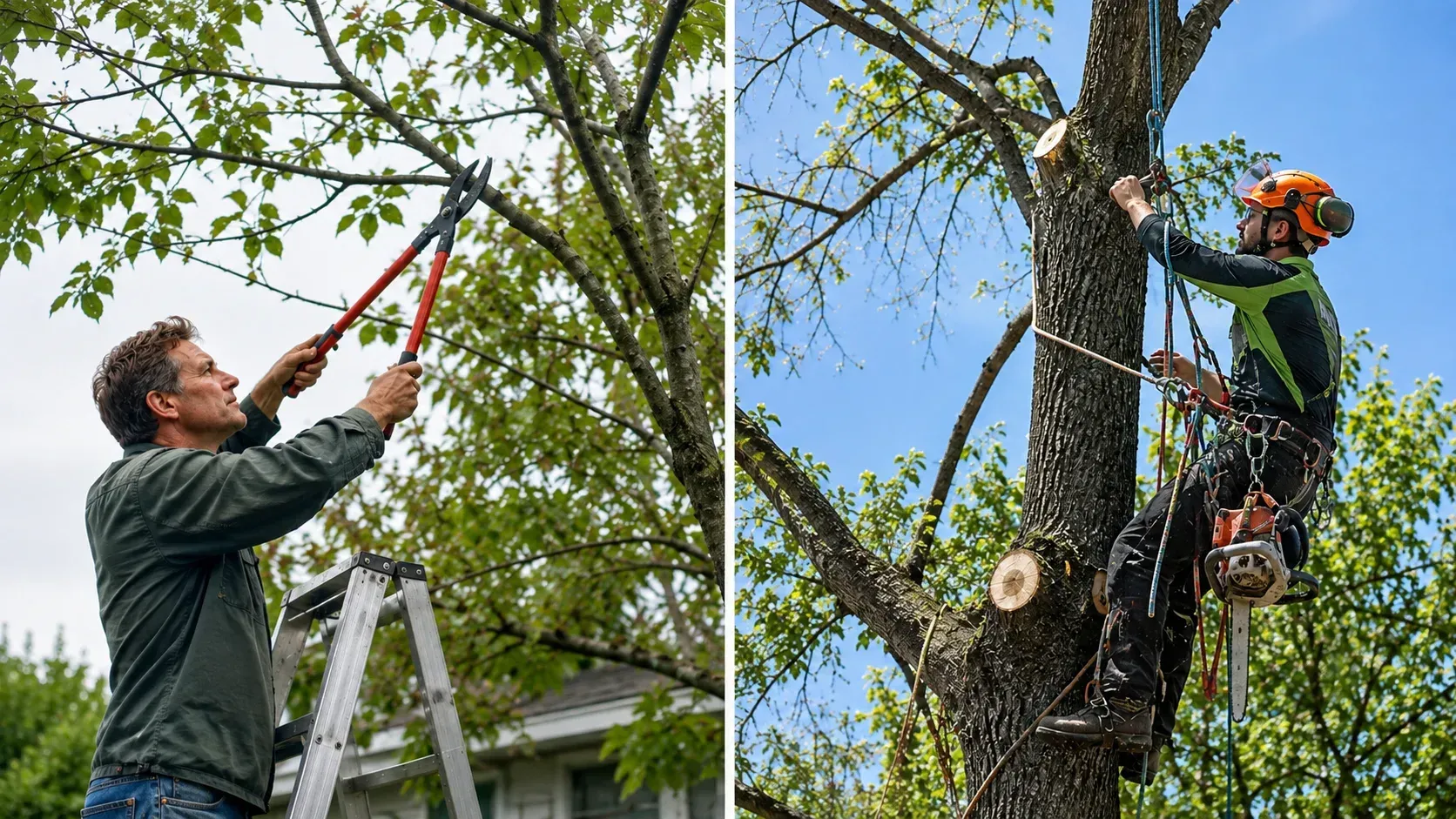
Removing small branches and light pruning is manageable for many homeowners. Large branches require equipment, experience, and safety precautions that go beyond most DIY efforts. If a branch is large, high up, or close to power lines, professional help is the safer choice. Improper cuts can damage trees badly.
What's the difference between trimming and pruning?
In common usage, the terms are often used interchangeably, but technically pruning usually means removing dead or diseased wood to improve health, while trimming means shaping and maintaining appearance. Both involve making cuts, and both work best when timed with the tree's growth cycle.
Will trimming my tree make it grow back thicker and fuller?
Trimming can encourage branching in some cases, but it depends on where and how you cut. Proper pruning that follows branch collar guidelines and respects the tree's natural shape tends to produce healthier growth. Aggressive heading cuts can create bushy regrowth, but this isn't always desirable and can stress trees.
How much of a tree's foliage can I safely remove in one trimming?
A general guideline is not removing more than 25 percent of a healthy tree's live foliage in a single year. Removing large amounts of foliage stresses the tree, reduces its ability to feed itself, and can trigger excessive sprouting. If a tree needs major work, it's sometimes better to spread the trimming over multiple years.